
Truck Weighing System for Bulk Material Handling
Measure loaded and empty truck weights, calculate net cargo weight, and organize weighing records across grain depots, mineral yards, logistics hubs and bulk loading or unloading operations.
ZFITA configures truck weighbridge solutions around vehicle dimensions, site traffic, required capacity, weighing indicators, load cells and optional automation.
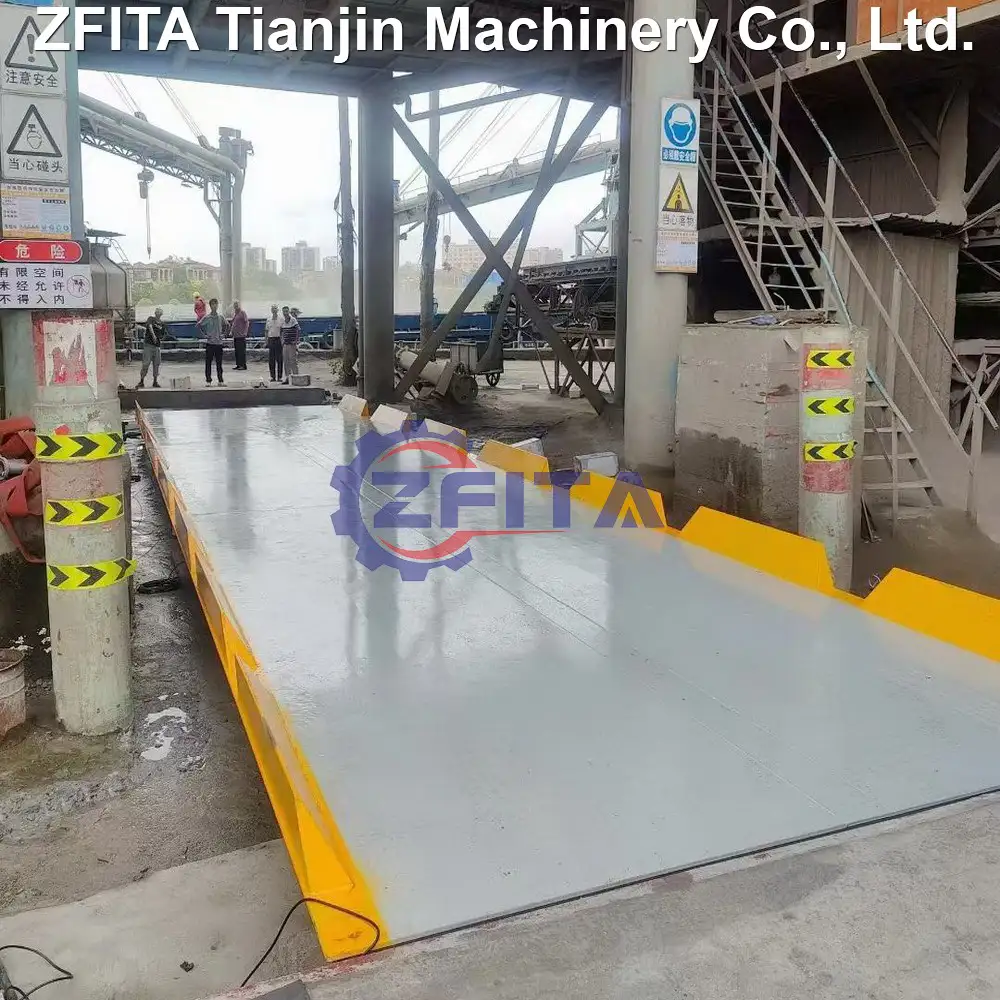
Why Truck Weighing Matters
Truck weighing is more than recording a number. It supports material receipts, dispatch documentation, payload verification and reliable reconciliation between loading, transport and unloading.
Know the Actual Cargo Weight
Use gross and tare weight records to calculate the net load of grain, minerals, fertilizer or other bulk materials.
Verify Vehicle Gross Weight
Compare the measured vehicle gross weight with the truck's approved limits. Axle-load compliance requires suitable axle-weighing data where applicable.
Reduce Manual Record Errors
Optional identification, barriers, cameras, printing and weighing software can organize repeat vehicle movements and data capture.
How a Truck Weighing System Works
A typical bulk material dispatch workflow weighs an empty truck before loading and the same truck again after loading. For receiving sites, the weighing order is reversed.
Empty Truck
Record vehicle tare weight at the weighbridge.
Load Material
Load grain, minerals or other compatible cargo.
Loaded Truck
Record gross vehicle weight on the scale.
Calculate Net
Deduct tare from gross to obtain net cargo weight.
Save & Verify
Record vehicle, cargo, time and weight information.
For incoming deliveries: weigh loaded truck → unload → weigh empty truck → calculate received net weight. Use a verified scale and applicable approved procedures for trade transactions.
Main Components of a Truck Weighing Solution
ZFITA's published solution covers steel platforms, alternative load-cell configurations, indicators and optional unattended weighing functions. Final configuration depends on the site and local requirements.
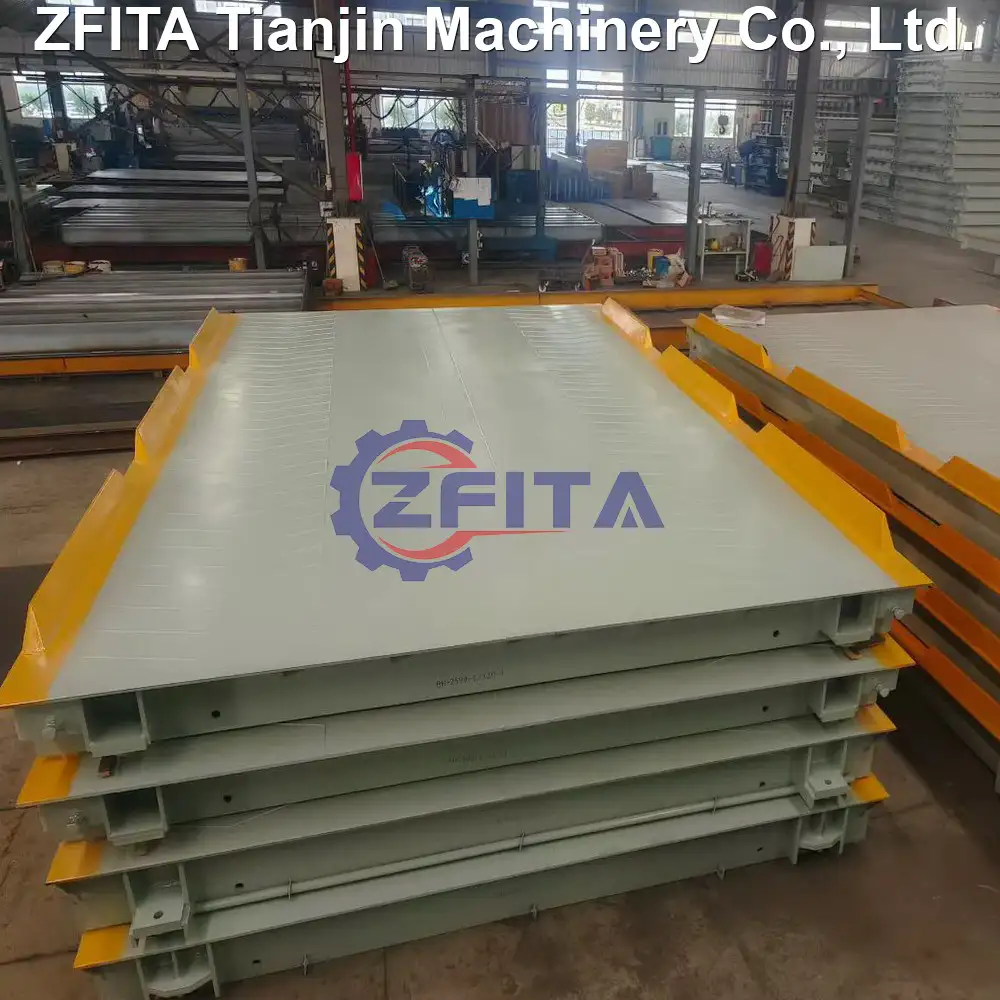
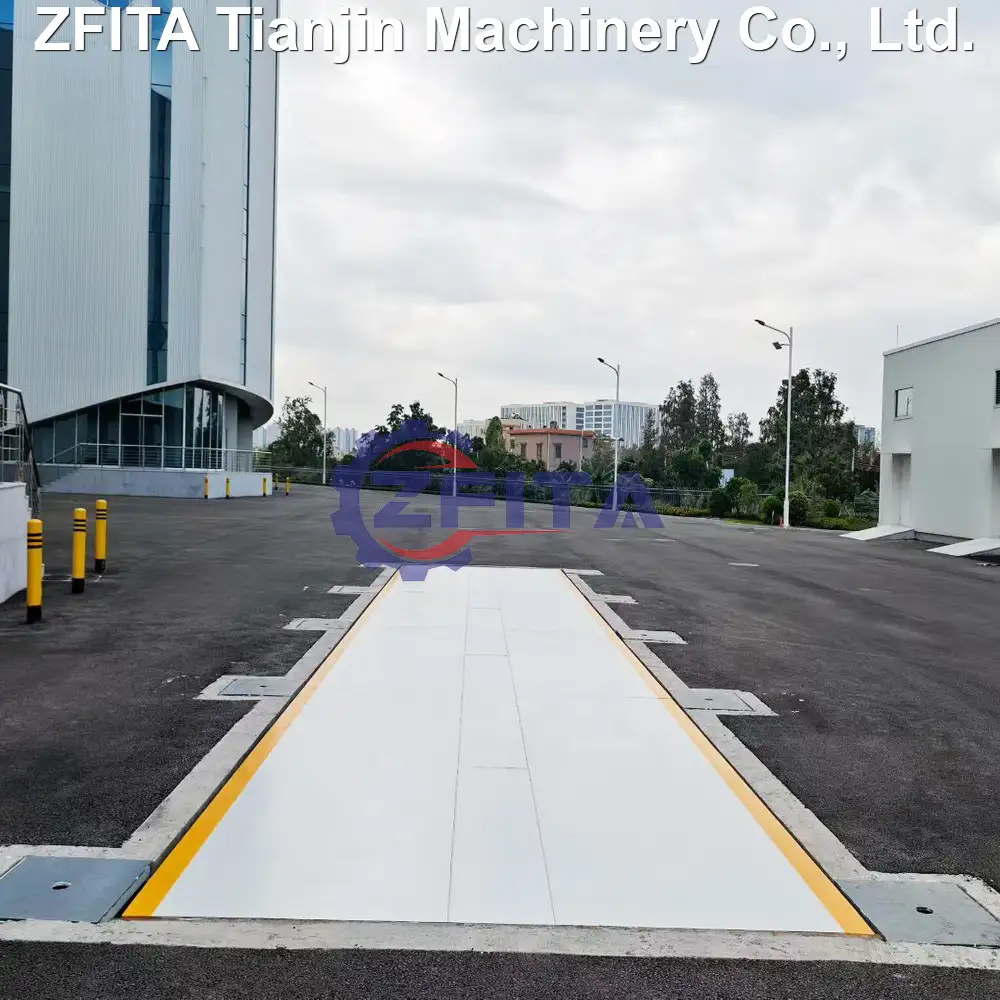
Steel Weighbridge
Heavy-duty weighing deck with suitable vehicle approach, surface finish and foundation design.
Load Cells
Selected weighing sensors, cabling and junction connections suited to required range and operating environment.
Indicator & Records
Weight display, transaction data, record storage and optional ticket printing.
Automation Options
Vehicle recognition, cameras, barrier controls and data integration subject to selected system package.
Manual vs. Automated Truck Weighing
| Item | Operator-Assisted Weighing | Automated Weighing Option |
|---|---|---|
| Vehicle identification | Operator records vehicle details | Optional plate recognition or ID system |
| Scale reading | Indicator viewed and recorded by operator | Electronic acquisition with configured validation |
| Entry / exit | Managed by site personnel | Optional barriers and signals |
| Ticket & data | Manual or assisted documentation | Optional digital storage and automatic printing |
| Best suited to | Lower traffic or simpler operations | Repeated truck movements and structured transaction logging |
Automation availability and scope must be specified in the quotation; not all functions are standard with every weighbridge.
Integrate Weighing with Truck Loading & Unloading
Bulk Truck Loading
Weigh the empty vehicle before loading, then reweigh it after the bulk truck loading conveyor has completed dispatch loading.
Bulk Truck Unloading
Weigh the loaded incoming vehicle, unload using a suitable truck dumper and receiving system, and record the return tare weight.
Inventory & Dispatch Records
Associate net payloads with vehicle IDs, cargo categories and time records to support transaction reconciliation and site reporting.
Truck Weighing Applications
Grain Receiving & Dispatch
Record deliveries and outbound shipments of grain and feed ingredients by net truck weight.
Mining & Aggregates
Track quarry products, mineral concentrates and bulk transport transactions at industrial sites.
Fertilizer & Industrial Logistics
Confirm bulk cargo movement and maintain transaction records across yards and warehouses.
What We Need to Configure Your Weighbridge
Please share the information below so the ZFITA team can assess the operating layout and weighing equipment configuration.
A whole-vehicle weighbridge measures gross truck weight. Checking individual axle loads or legal-for-trade transactions may require additional approved equipment, calibration and jurisdiction-specific certification.
Truck Weighing System FAQ
How is the net weight of bulk cargo calculated?
Net cargo weight equals loaded gross vehicle weight minus empty vehicle tare weight, with consistent vehicle configuration and approved weighing procedures.
Can the weighbridge be integrated with a truck dumper?
Yes. A site can use a weighbridge before and after truck unloading to establish delivered net cargo weight. Physical layout and workflow are designed to suit the specific facility.
Does the standard system include automatic license plate recognition?
Vehicle identification, cameras, barrier controls and ticket printing are configurable options, not automatically included in every base weighbridge package.
Can a truck weighbridge measure axle overload?
A conventional full-length weighbridge measures the total weight of a stationary vehicle. Axle-load measurements require suitable additional instrumentation or an axle-weighing system.
Can the equipment be used for commercial trade transactions?
Trade use depends on the applicable local metrology rules, verification, calibration and approvals. Please specify the installation country and transaction purpose.
What information is needed for a quotation?
Send maximum vehicle gross weight, vehicle dimensions, daily truck count, operating environment, required automation features and destination country.
Request a Truck Weighing Solution
Tell us about your truck size, material type, required capacity, expected weighing frequency and automation needs. ZFITA can review equipment options and site-specific weighing arrangements.