A Container Tilter Should Be Designed Around the Actual Unloading Process
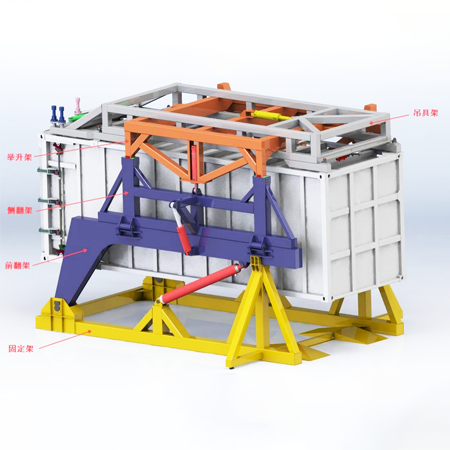
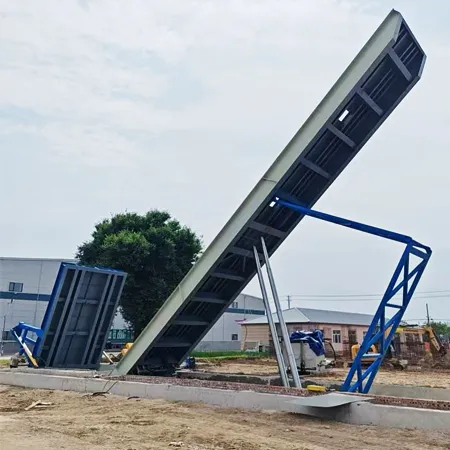
Not every container unloading operation has the same vehicle dimensions, container configuration, working space, unloading angle or level of automation. For this reason, a standard container tilter may not always be the right fit for a particular application.
A custom container tilter can be engineered around the actual container, truck, unloading process and site conditions. Depending on the project, customization may involve the supporting structure, hydraulic system, container locking mechanism, positioning system, tilting angle, lifting movement, door operation and control system.
The goal is not simply to change the appearance or dimensions of a standard machine. It is to make the equipment work reliably within the customer’s actual operating process.
What Can Be Customized on a Container Tilter?
The level of customization depends on the application. Typical engineering considerations include the following.
1. Container and Vehicle Interface
The first consideration is how the container arrives at the unloading station.
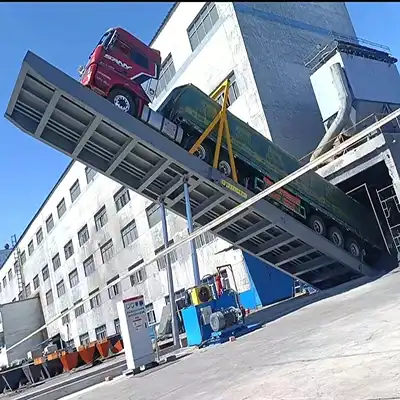
A container tilter may need to work with a specific truck chassis, trailer or other container-handling equipment. Vehicle height, container position, wheel position and available operating space can all affect the equipment design.
For applications where the vehicle cannot stop at exactly the same position every time, adjustment mechanisms can be incorporated into the lifting or spreader system to compensate for positioning deviations.
This can make the difference between a machine that works only under ideal conditions and one that can be used reliably in daily operations.
2. Container Locking and Spreader Design
The container must be securely connected to the tilter before lifting or tilting.
A customized spreader frame can incorporate hydraulic twist-lock mechanisms designed to engage with the container corner castings. Depending on the project, the system can also include position feedback to confirm whether the locking mechanism is fully engaged or released.
The spreader can also incorporate container unlocking and locking functions where required by the unloading process.
This type of customization is particularly useful when the customer wants to reduce manual operations around the container.
3. Tilting Angle and Movement
Different unloading processes may require different tilting movements.
A container tilter can be designed around the required working angle, tilting direction, movement sequence and operating speed. Hydraulic cylinders and their arrangement can then be selected according to the required load and movement.
The hydraulic system may also require synchronized cylinder control to keep the structure stable during lifting and tilting.
The important point is that the tilting mechanism should be designed from the required operating cycle rather than simply selecting a standard cylinder and frame.
4. Position Adjustment
Truck positioning is not always perfect.
For example, a customized container tilter may incorporate front-to-back, left-to-right and height adjustment between the lifting structure and the container spreader.
This type of multi-direction adjustment allows the equipment to compensate for variations in truck positioning and vehicle height.
For a project with strict positioning requirements, the adjustment range should be determined during the engineering stage rather than added later as an afterthought.
5. Hydraulic System
The hydraulic system is another major part of container tilter customization.
Depending on the application, the hydraulic system may control:
- Container lifting
- Container tilting
- Side movement
- Position adjustment
- Container locking
- Container door opening and closing
- Other auxiliary movements
Cylinder synchronization, hydraulic pressure, valve selection, counterbalance protection and movement control all need to match the actual mechanical structure.
For heavy-duty equipment, the hydraulic system should be designed together with the frame and cylinders rather than treated as a separate component.
6. Container Door Operation
Some unloading applications require the container doors to be opened or closed as part of the operating cycle.
In these cases, hydraulic door-opening mechanisms can be integrated into the spreader or unloading structure.
This allows the equipment to perform more of the unloading sequence automatically and reduces the need for operators to work directly around the container doors.
Whether this function is necessary depends on the customer’s unloading process and container configuration.
7. Control and Automation
A container tilter can be operated manually, by wired or wireless remote control, or through an automated operating sequence.
The appropriate control method depends on the customer’s production process.
For example, an automated system may be designed to coordinate:
- Container positioning
- Container locking
- Door unlocking
- Door opening
- Tilting
- Return movement
- Door closing
- Container locking
Not every application requires full automation. In many cases, a combination of automatic functions and manual or remote operation provides a more practical solution.
8. Safety and Protection
Customization also needs to consider safety functions.
Depending on the design, these may include emergency stop circuits, travel limit switches, electrical interlocks, motor protection, hydraulic counterbalance valves, alarms and other protective devices.
For heavy container-handling equipment, these functions should be considered during the mechanical, hydraulic and electrical design stages.
When Does a Project Need a Custom Container Tilter?
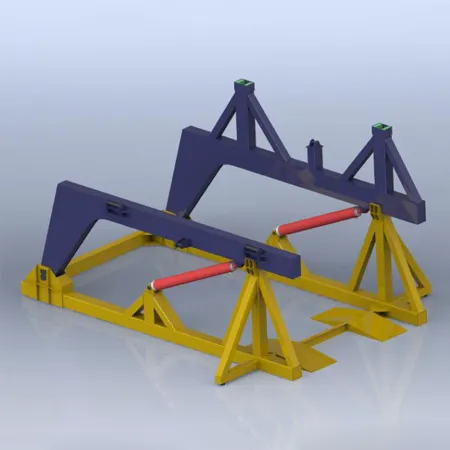
A customized design may be appropriate when the application has one or more non-standard requirements, such as:
- A specific truck or trailer configuration
- Limited installation space
- Non-standard container positioning
- Different vehicle heights
- A required unloading angle
- Automatic container locking
- Hydraulic container door operation
- Remote or automatic operation
- Integration with conveyors or other bulk material handling equipment
- Special safety or control requirements
In these situations, the equipment should be designed around the complete unloading process rather than selected only by lifting capacity.
Custom Container Tilter Engineering: From Requirements to Equipment
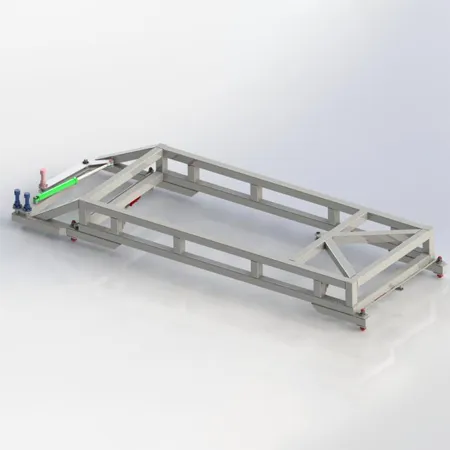
A practical customization process normally starts with the customer’s operating requirements and technical information.
The engineering team needs to understand the container dimensions, truck configuration, loading conditions, required movement, unloading position and control requirements.
The mechanical structure, hydraulic system, electrical controls and safety functions can then be developed as one integrated system.
For example, one ZFITA project required a container unloading tilter with multi-direction positioning adjustment, hydraulic locking, container door operation, synchronized hydraulic movement and automatic operation. The project demonstrates how these functions can be combined into one customized machine.
The specific ZCT-RT20 project is presented separately in our Project section, where the actual equipment design and technical configuration are described in detail.
Why Customization Matters in Container Unloading
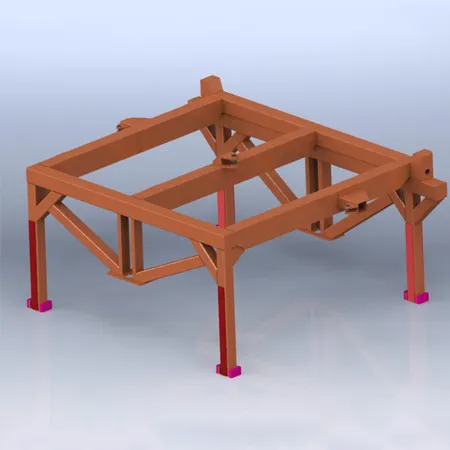
The value of a custom container tilter is not simply that the machine is different from a standard model.
The real value is that the equipment is designed around the customer’s actual unloading operation.
A properly engineered system can address vehicle positioning, container locking, hydraulic movement, operator control and site requirements before the equipment reaches the installation stage.
This approach can also make it easier to integrate the container tilter with conveyors, hoppers, stockpiling systems or other bulk material handling equipment.
ZFITA Custom Container Tilter Engineering
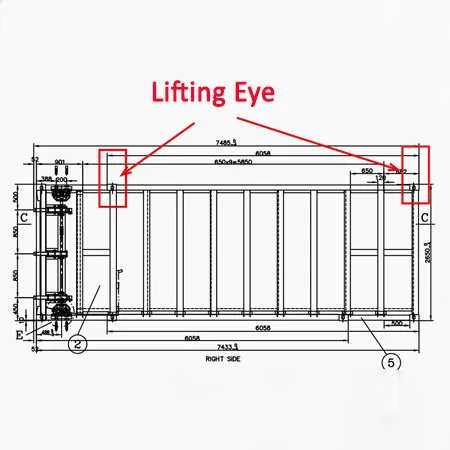
ZFITA develops hydraulic container tilters around specific customer requirements rather than limiting projects to one fixed machine configuration.
Our engineering scope can include mechanical structure, hydraulic systems, container locking, positioning adjustment, door operation, electrical control and automation.
For projects requiring more than a standalone machine, ZFITA can also integrate container tilters with conveying and bulk material handling systems.
If your container, truck, unloading angle or operating process does not fit a standard container tilter, send us your container drawings, truck information and unloading requirements. Our engineering team can review the application and develop a suitable configuration.