Project Overview
ZFITA supplied a no-foundation hydraulic truck dumper system for Shandong Weifang Fada Flour Mill, a grain processing facility handling multiple types of agricultural products, including wheat and corn.
The flour mill operates four independent grain storage buildings and regularly receives newly purchased grain while also transferring stored grain to the processing workshops for further production. This creates a continuous demand for efficient truck unloading and internal material transfer.
Because the facility requires a clean and well-maintained operating environment and its working areas are already constructed with concrete-hardened floors, the customer did not want to undertake additional civil construction for conventional foundation-mounted truck dumping equipment.
ZFITA therefore provided a no-foundation truck dumper that can be installed directly on the existing hardened ground without requiring a dedicated concrete pit or foundation.
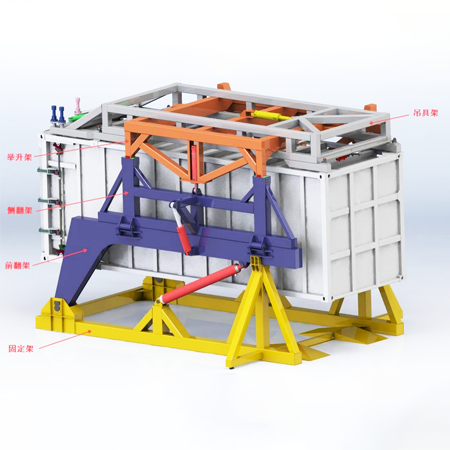
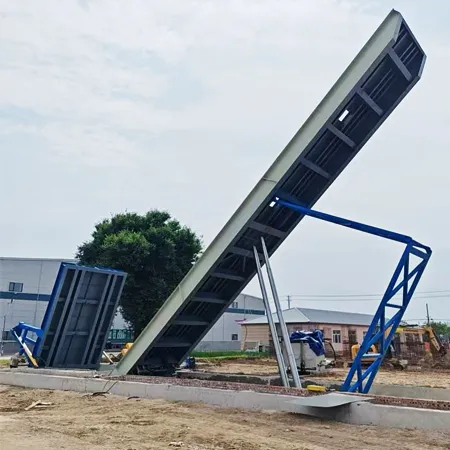
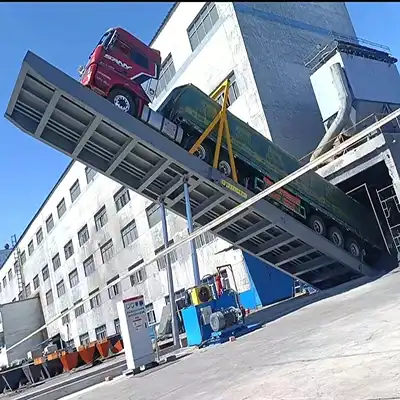
The project uses an 18-meter-long rear-tipping truck dumper. Loaded trucks reverse onto the platform, the hydraulic wheel stopper is raised, and the complete truck is then lifted hydraulically to discharge the grain into a receiving hopper.
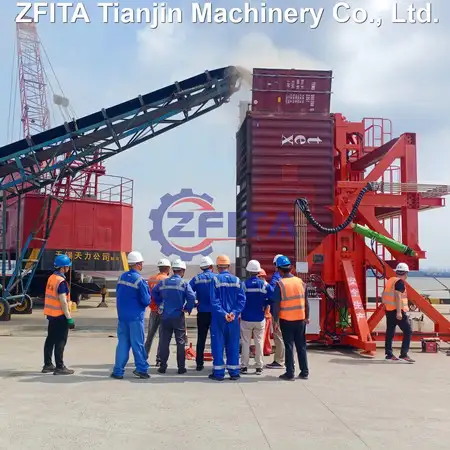
The hopper is connected to a series of grasshopper conveyors, which transfer the grain step by step to the designated locations inside the grain storage and processing facilities.
Project at a Glance
| Item | Project Details |
|---|---|
| End User | Shandong Weifang Fada Flour Mill |
| Industry | Flour Milling / Grain Processing |
| Equipment | No-Foundation Truck Dumper |
| Dumper Type | Rear-Tipping |
| Platform Length | 18 m |
| Installation | No Dedicated Foundation Required |
| Materials | Wheat, Corn and Other Grains |
| Unloading Method | Full Hydraulic Truck Tipping |
| Receiving Equipment | Hopper |
| Conveying Equipment | Grasshopper Conveyors |
| Application | Grain Receiving and Internal Transfer |
The Project Challenge
Multiple Grain Storage Buildings
The flour mill operates four independent grain storage buildings and needs to move different agricultural products between grain receiving, storage and processing areas.
During grain purchasing seasons, newly harvested grain must be unloaded efficiently and transferred into storage. At the same time, stored wheat, corn and other grains need to be transported from the storage buildings to the processing workshops.
This creates a requirement for reliable truck unloading equipment that can support frequent grain handling operations.
No Civil Foundation Available
The facility already has hardened concrete operating areas, but no dedicated civil foundation had been prepared for a conventional truck dumper.
Constructing a deep pit or dedicated foundation would add:
- Civil construction cost
- Construction time
- Disruption to the existing facility
- Additional work around an operating grain-processing environment
The customer therefore needed a truck unloading system that could work with the existing ground conditions.
ZFITA’s no-foundation truck dumper provided a practical alternative.
ZFITA Solution
ZFITA supplied an 18-meter no-foundation hydraulic truck dumper designed for grain unloading.
Instead of installing the dumper into a dedicated foundation, the equipment is positioned directly on the existing hardened ground.
The loaded truck reverses onto the 18-meter dumping platform and stops at the designated position. After the hydraulic wheel stopper is raised, the complete truck is lifted by the hydraulic system.
As the dumping angle increases, the grain gradually flows from the truck body into the receiving hopper positioned behind the dumper.
The hopper then feeds the material into the downstream grasshopper conveyor system, where a series of conveyors transfers the grain toward the required location inside the facility.
The result is a complete unloading and conveying process:
Truck → No-Foundation Truck Dumper → Hopper → Grasshopper Conveyors → Grain Storage / Processing Area
How the No-Foundation Grain Truck Dumper Works
01 — Truck Reverses onto the Platform
The loaded grain truck reverses onto the 18-meter truck dumping platform.
The long platform provides sufficient space for the truck to be positioned securely for unloading.
02 — Hydraulic Wheel Stopper Is Raised
Once the truck reaches the designated position, the hydraulic wheel stopper is raised.
The stopper provides a physical restraint to help prevent unwanted truck movement during the lifting operation.
03 — Complete Truck Is Raised
The truck dumper uses a full hydraulic lifting system to raise the loaded truck.
The truck body gradually reaches the required dumping angle, allowing the grain to flow out under gravity.
04 — Grain Is Discharged into the Hopper
As the tipping angle increases, wheat, corn or other grain gradually leaves the truck body and falls into the receiving hopper.
The rear-tipping configuration provides a controlled discharge path between the truck and the downstream conveying system.
05 — Hopper Feeds the Grasshopper Conveyors
The receiving hopper collects the discharged grain and feeds it into the first grasshopper conveyor.
The conveyors are arranged sequentially to transfer the material toward the designated storage or processing area.
06 — Truck Returns and Leaves
After unloading is completed, the hydraulic dumper returns the truck to its original horizontal position.
The wheel stopper is lowered and the truck can leave the unloading station for the next transport cycle.
Why a No-Foundation Truck Dumper?
The no-foundation design was particularly suitable for this project because the customer already had hardened concrete working areas but did not want to undertake additional civil construction.
No Dedicated Foundation
The system can be installed without constructing a conventional deep foundation or underground dumping pit.
Faster Installation
Eliminating major civil construction can simplify the installation process and reduce project preparation time.
Lower Civil Construction Cost
The customer can avoid the additional cost associated with excavation, concrete construction and foundation preparation.
Suitable for Existing Facilities
The system can be integrated into an existing grain-handling facility with hardened ground conditions.
Flexible Project Deployment
The no-foundation configuration provides greater flexibility when adding truck unloading capacity to an existing plant.
Why Rear-Tipping for Grain Unloading?
An important consideration in this project was the physical behavior of grain during unloading.
Wheat, corn and similar grain materials are relatively light and generally flow well under gravity. Therefore, a complete hydraulic truck dumper can provide an economical unloading method without requiring the truck itself to be a specialized dump truck.
With the ZFITA rear-tipping system, a conventional flatbed or suitable transport truck can be raised as a complete vehicle to discharge the grain.
This can provide a significant equipment-cost advantage compared with requiring a dedicated fleet of dump trucks.
Controlled Grain Discharge
Another advantage of the rear-tipping configuration is the relatively controlled way in which grain leaves the truck body.
Compared with a conventional dump truck body with a large rear opening, the unloading process can provide a more gradual material flow as the truck body progressively increases its inclination.
This is particularly useful when the downstream system consists of belt conveyors designed for relatively continuous material transfer.
The unloading process can therefore be integrated more smoothly with the:
Truck Dumper → Hopper → Grasshopper Conveyor
material flow.
Integrated Hopper and Grasshopper Conveyor System
The truck dumper is not operating as an isolated piece of equipment.
The discharged grain falls into a receiving hopper positioned behind the dumping platform. The hopper provides a transition point between truck unloading and continuous conveying.
From the hopper, the grain enters the first grasshopper conveyor, followed by additional conveyor sections as required by the facility layout.
The conveyors can transfer the grain between different areas of the plant, allowing material to move from the truck unloading point toward the designated grain storage or processing location.
This creates a complete bulk grain transfer system rather than simply a truck unloading machine.
Efficient Grain Handling from Receiving to Processing
The project supports two important grain-handling flows within the facility.
New Grain Receiving
Newly purchased wheat, corn and other grains can be unloaded from incoming trucks and transferred toward the appropriate storage building.
Stored Grain Transfer
When grain needs to enter production, trucks can also be used to transport stored materials toward the processing workshops, where the same unloading and conveying principle provides an efficient transfer process.
This flexibility is particularly useful for a grain-processing facility with multiple independent storage buildings.
Project Results
Foundation-Free Installation
The truck dumper was installed without requiring a dedicated civil foundation, making it suitable for the customer’s existing hardened concrete operating area.
Lower Project Cost
The no-foundation configuration avoids much of the civil construction work associated with conventional pit-mounted truck dumpers.
Efficient Grain Unloading
The hydraulic rear-tipping system enables wheat, corn and other grains to be unloaded efficiently from transport trucks.
Controlled Material Flow
The receiving hopper provides a transition between truck unloading and downstream conveying.
Integrated Material Transfer
Grasshopper conveyors transport the discharged grain to designated storage or processing locations.
Flexible Grain Handling
The system supports both incoming grain receiving and movement of stored grain toward the processing facility.