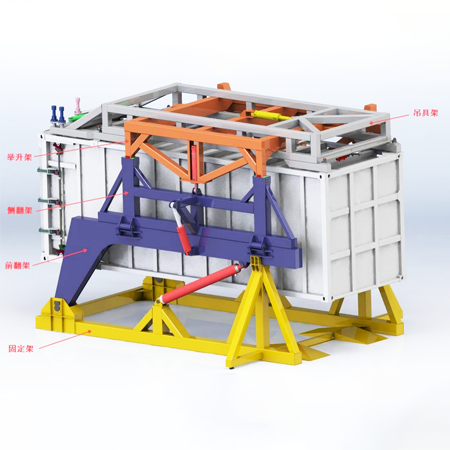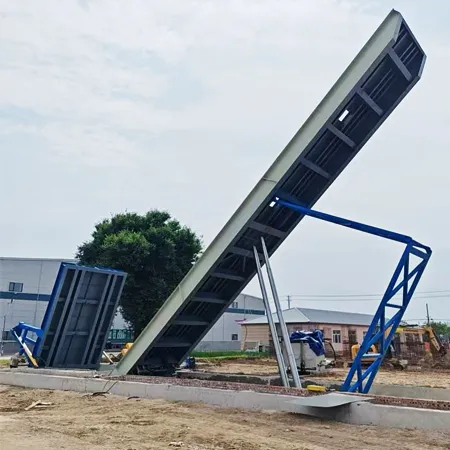
Why Hydraulic Oil Matters in Container Tilter Performance
A hydraulic container tilter relies on a hydraulic power system to lift and rotate the container safely and smoothly. The hydraulic oil is therefore a critical part of the system, affecting startup performance, lifting speed, hydraulic pressure, component wear and overall equipment reliability.
For container tilters used in different regions, hydraulic oil should not simply be selected according to the machine model. Ambient temperature, operating conditions and hydraulic system requirements should also be considered.
This is particularly important when a hydraulic container tilter is installed in extremely cold regions such as northern Canada, the northern United States, Europe or Russia, or in hot and tropical climates.
What Type of Hydraulic Oil Does a Container Tilter Need?
Most hydraulic container tilters use anti-wear hydraulic oil (AW hydraulic oil) or an equivalent hydraulic fluid specified for the hydraulic power unit.
The exact viscosity grade should be selected according to the expected ambient temperature and the hydraulic system manufacturer’s requirements.
Common viscosity grades include:
- ISO VG 32 – suitable for relatively low-temperature conditions and systems requiring lower-viscosity oil
- ISO VG 46 – a common general-purpose choice for many hydraulic systems
- ISO VG 68 – suitable for higher-temperature operating environments or systems requiring higher viscosity
However, these grades should not be treated as fixed rules for every project. A hydraulic container tilter installed in northern Canada may require a different oil strategy from the same machine installed in a tropical region.
Hydraulic Oil Selection for Cold Climates
Cold weather is one of the most important factors when selecting hydraulic oil for a container tilter.
In regions such as Canada, the northern United States, Northern Europe and northern Russia, winter temperatures can become low enough to significantly increase hydraulic oil viscosity.
When hydraulic oil becomes too viscous, the hydraulic system may experience:
- Slow startup
- Reduced hydraulic flow
- Slower lifting and tilting
- Increased pump load
- Higher starting pressure
- Difficulty reaching normal operating speed
- Increased wear during cold starts
For container tilters operating outdoors in severe winter conditions, low-temperature performance should therefore be considered before selecting the hydraulic oil.
Use Low-Temperature Hydraulic Oil When Required
For extremely cold environments, a low-temperature hydraulic fluid or an appropriate high-quality anti-wear hydraulic oil with suitable low-temperature characteristics may be required.
The selection should consider:
- Minimum ambient temperature
- Expected winter operating temperature
- Hydraulic pump manufacturer’s viscosity requirements
- Hydraulic valve and seal specifications
- Oil viscosity at startup
- Whether the machine is stored or operated outdoors
For particularly cold installations, additional measures such as hydraulic oil heaters, insulated hydraulic tanks or preheating systems may also be considered.
The goal is not simply to choose the thinnest possible oil. The oil must maintain sufficient viscosity for pump lubrication and hydraulic system protection while remaining fluid enough for reliable cold-weather startup.
Hydraulic Oil Selection for Hot and Tropical Climates
Hot climates create a different set of challenges.
Hydraulic container tilters operating in tropical regions, deserts or other high-temperature environments may experience elevated hydraulic oil temperatures during continuous operation.
High temperatures can reduce oil viscosity and accelerate:
- Oil oxidation
- Hydraulic component wear
- Seal deterioration
- Sludge and deposit formation
- Oil degradation
For these applications, an anti-wear hydraulic oil with good thermal and oxidation stability is important.
Depending on the hydraulic system design and ambient temperature, a higher-viscosity grade such as ISO VG 46 or ISO VG 68 may be appropriate.
However, the correct viscosity should always be determined according to the actual operating temperature and hydraulic system specifications, rather than choosing a heavier oil simply because the climate is hot.
For machines operating continuously in very hot environments, the hydraulic system may also require adequate tank capacity, cooling and heat dissipation.
How to Maintain Hydraulic Oil in a Container Tilter
Choosing the correct hydraulic oil is only the first step. Regular maintenance is equally important for maintaining reliable container tilter operation.
1. Check the Hydraulic Oil Level
Check the oil level regularly, particularly before intensive operation.
An insufficient oil level can cause:
- Hydraulic pump cavitation
- Unstable hydraulic pressure
- Increased oil temperature
- Reduced lifting performance
- Premature pump damage
The oil level should be checked according to the hydraulic power unit manufacturer’s specified procedure.
2. Keep the Hydraulic Oil Clean
Contamination is one of the major causes of hydraulic system failure.
Dust, water, metal particles and other contaminants can damage:
- Hydraulic pumps
- Control valves
- Hydraulic cylinders
- Seals
- Proportional or control components
The hydraulic tank should remain properly sealed, and clean equipment should be used whenever hydraulic oil is added.
3. Check for Water and Contamination
Container tilters may operate outdoors in rain, snow, dust and other harsh conditions. Water and contaminants can enter the hydraulic system if the tank, breather or seals are not properly maintained.
Watch for:
- Cloudy or milky oil
- Unusual oil color
- Abnormal odor
- Visible particles
- Excessive sludge
If contamination is suspected, the hydraulic oil should be inspected and tested rather than simply continuing normal operation.
4. Replace Hydraulic Filters Regularly
Hydraulic filters help prevent contaminants from circulating through the hydraulic system.
Filter replacement intervals should follow the equipment manufacturer’s maintenance recommendations and may need to be shortened in dusty, dirty or heavy-duty operating environments.
A clogged filter can restrict oil flow and increase pressure loss, affecting hydraulic system performance.
5. Monitor Hydraulic Oil Temperature
Oil temperature is an important indicator of hydraulic system condition.
If the oil consistently operates at an excessively high temperature, possible causes may include:
- Insufficient cooling
- Low oil level
- Incorrect oil viscosity
- Excessive hydraulic resistance
- Pump or valve problems
- Continuous heavy-duty operation
The hydraulic system should be checked rather than simply replacing the oil with a different viscosity grade.
When Should Hydraulic Oil Be Replaced?
There is no single replacement interval that applies to every hydraulic container tilter.
The service life of hydraulic oil depends on:
- Operating hours
- Ambient temperature
- Load conditions
- Oil temperature
- Contamination level
- Hydraulic system design
- Maintenance practices
For equipment operating under demanding conditions, oil condition monitoring is more useful than relying only on a fixed calendar interval.
If practical, hydraulic oil can be periodically checked for viscosity, contamination, water content and signs of oxidation or degradation.
Can Different Hydraulic Oils Be Mixed?
It is generally better to avoid mixing different hydraulic oils unless compatibility has been confirmed by the oil manufacturer or hydraulic system supplier.
Different products may use different additive packages. Mixing incompatible fluids can potentially affect:
- Lubrication performance
- Anti-wear protection
- Seal compatibility
- Oxidation stability
- Filterability
When changing to a different hydraulic oil specification, the hydraulic system may need to be properly drained and flushed according to the manufacturer’s recommendations.
Hydraulic Oil Selection by Climate
| Operating Environment | Main Concern | Typical Consideration |
|---|---|---|
| Northern Canada / Northern U.S. | Very low winter temperatures | Low-temperature hydraulic oil and cold-start performance |
| Northern Europe | Low winter temperatures | Suitable low-temperature viscosity characteristics |
| Northern Russia | Severe cold | Low-temperature hydraulic fluid and possible oil heating |
| Temperate climates | Moderate temperature variation | General-purpose AW hydraulic oil |
| Tropical regions | High ambient temperature | AW oil with good thermal and oxidation stability |
| Desert / Very hot climates | High temperature + dust | Thermal stability, filtration and cooling |
| Heavy-duty continuous operation | Heat and contamination | Oil monitoring, filtration and cooling |
The table provides general guidance only. The final hydraulic oil specification should be confirmed against the hydraulic pump, valves, seals and hydraulic power-unit requirements.
ZFITA Hydraulic Container Tilters for Different Climates
ZFITA hydraulic container tilters are designed for heavy-duty container handling applications and can be configured for different operating environments.
For projects in cold regions such as Canada, the United States, Europe and Russia, hydraulic system specifications can be considered according to the expected minimum operating temperature.
For tropical and high-temperature regions, the hydraulic system can be configured with appropriate anti-wear hydraulic oil and cooling considerations based on the actual operating conditions.
The objective is not simply to select a hydraulic oil grade. The complete hydraulic system should be matched to the local climate, operating cycle and working load.
For a container tilter project, ZFITA can consider the customer’s installation location, expected ambient temperature, operating conditions and required working cycle when specifying the hydraulic system.
Final Takeaway
Hydraulic oil is an important component of a hydraulic container tilter, not simply a consumable fluid.
For cold climates, the key consideration is maintaining sufficient fluidity and reliable hydraulic startup at low temperatures.
For hot and tropical climates, the focus is on appropriate viscosity, anti-wear performance, thermal stability and effective heat dissipation.
Regardless of climate, regular oil-level checks, filtration, contamination control, temperature monitoring and oil-condition inspection can help extend the service life of the hydraulic system and maintain reliable container tilting performance.
For a hydraulic container tilter, the right hydraulic oil is the one matched to the hydraulic system and the actual operating environment—not simply the one with the most commonly used viscosity grade.