Q1: What makes the crawler self-feeding conveyor different from ordinary mobile conveyors?
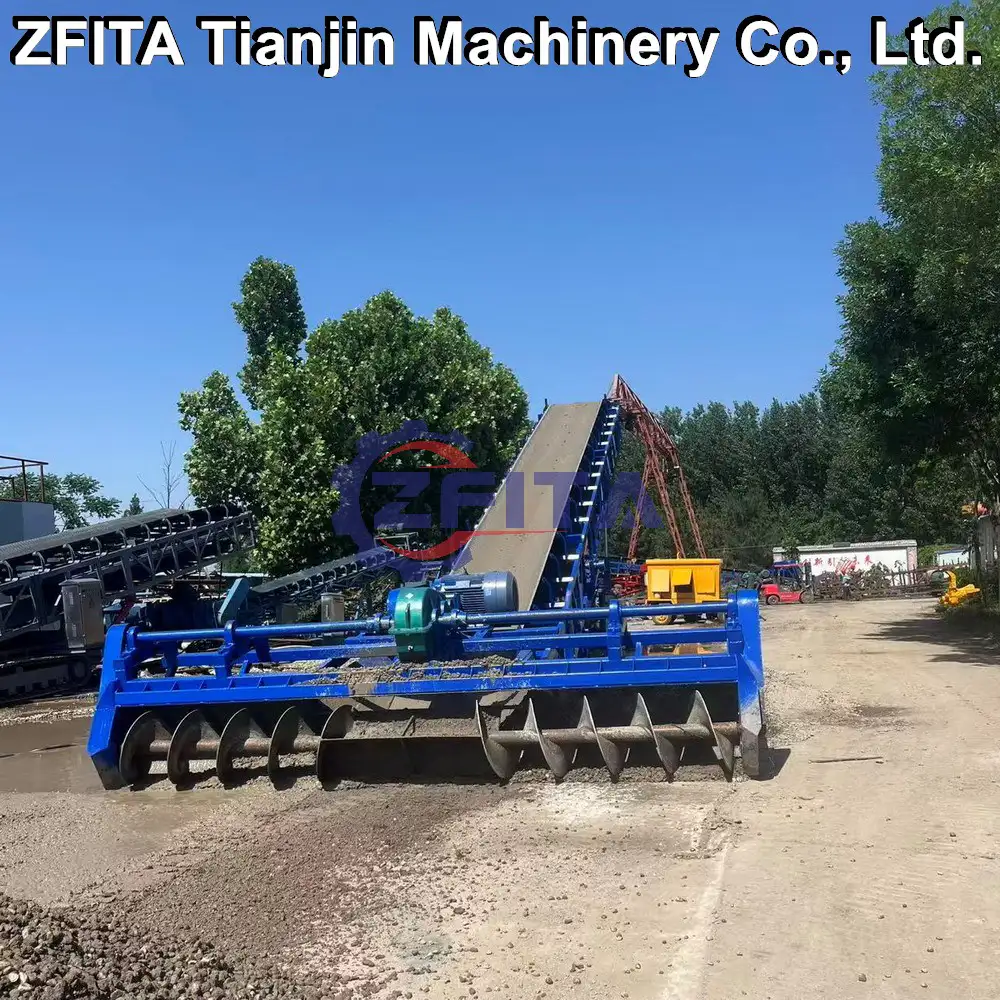
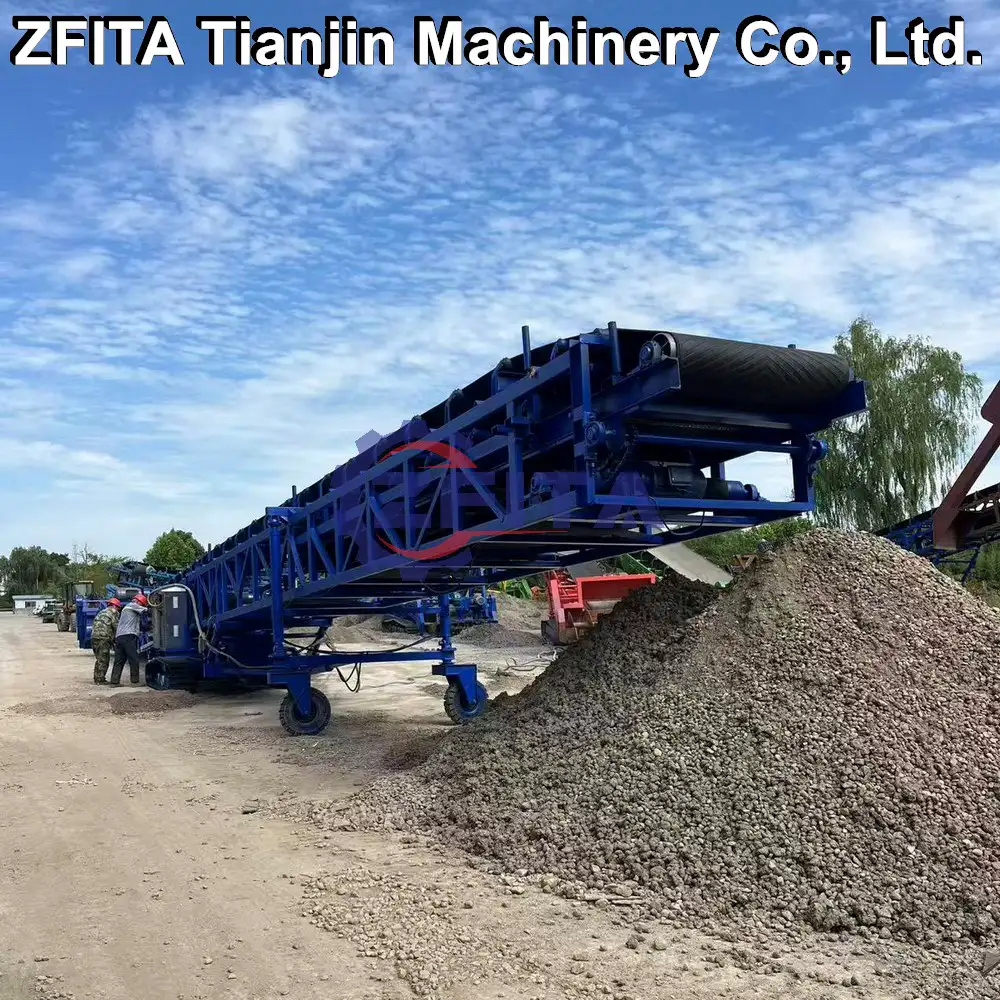
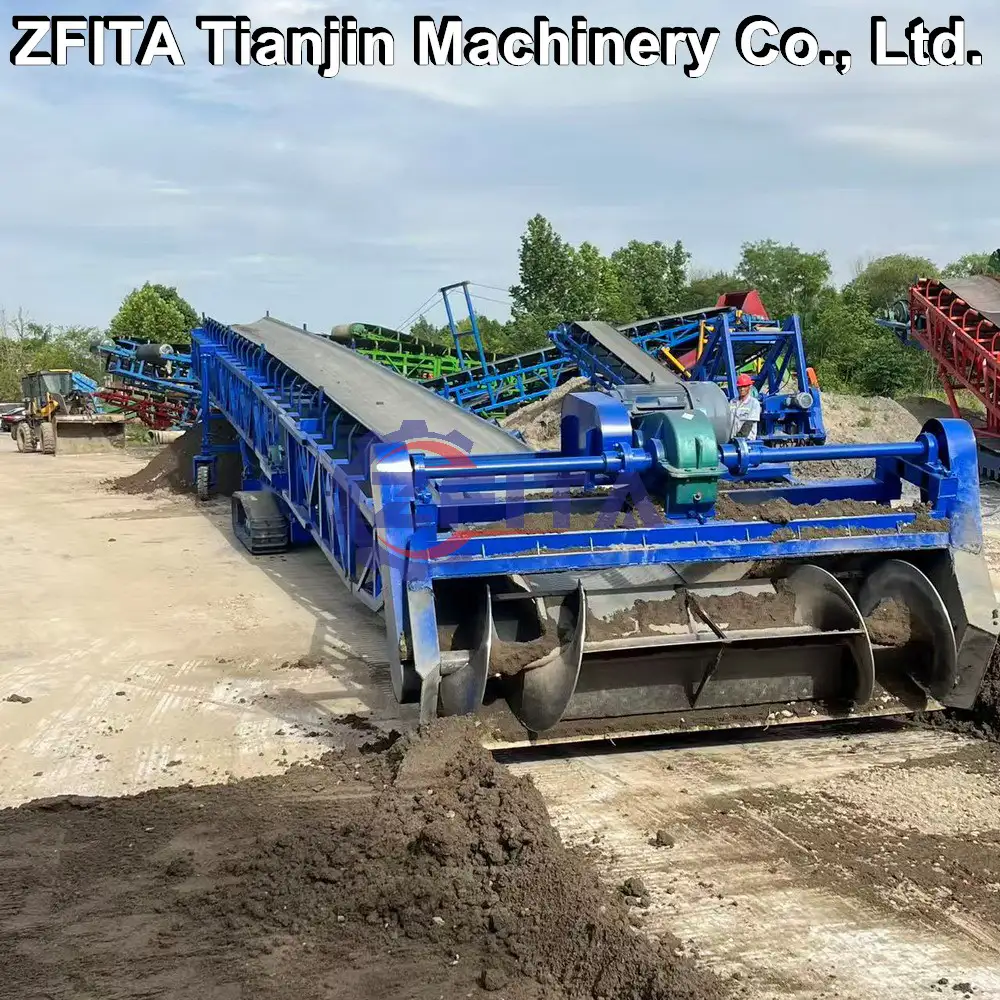
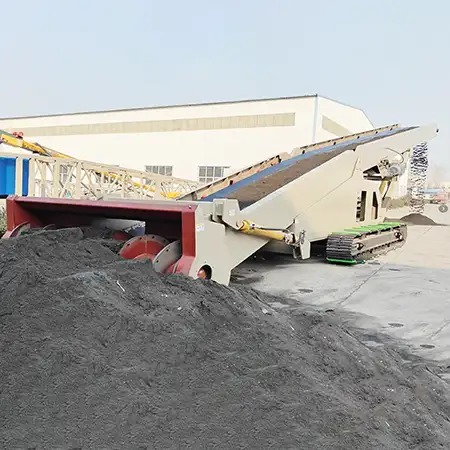
A1: Unlike standard conveyors that need manual feeding or loaders, this model features an integrated self-feeding digging head to grab bulk materials automatically. The full crawler traveling design allows free movement on rough terrain, realizing one-machine completion of material reclaiming, conveying and loading. It greatly saves loader investment and labor costs, and is the ideal upgrade equipment for bulk stockyard handling.
Q2: Can it work on muddy, sloped and uneven construction sites?
A2: Yes. Equipped with thickened rubber crawler tracks, the machine features strong ground adhesion and anti-slip performance. It adapts to mud, sand, gravel and undulating ground, and supports a 12-15° climbing angle. No hard foundation or ground leveling is required, perfectly suited for outdoor temporary yards and open-air working conditions.
Q3: What is the feeding capacity range, and what factors affect throughput?
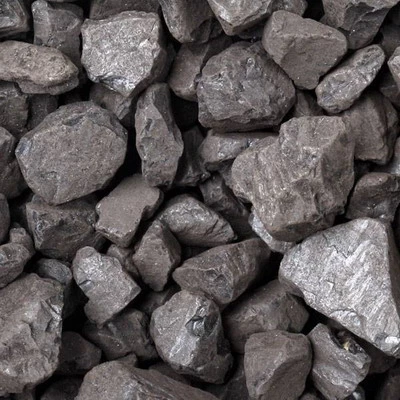
A3: Standard throughput ranges from 200TPH to 3000TPH. The actual output is affected by belt width, material density, particle size and feeding depth. Uniform bulk materials like grain, sand and coal achieve rated capacity stably. For large-particle or damp materials, we can customize enhanced feeding heads to ensure stable output.
Q4: Is the diesel-electric dual power system optional? What are their applicable scenarios?
A4: Dual power is fully optional. Electric drive is suitable for fixed yards with stable power supply, featuring low operating cost and zero emission. Diesel hydraulic drive applies to field sites without grid power, supporting full remote control walking, feeding and height adjustment, completely adapting to outdoor off-grid operations.
Q5: Will the self-feeding head cause material blockage? How to prevent it?
A5: The optimized spiral feeding head adopts anti-blocking design with large feeding space. Under normal rated load, blockage rarely occurs. We suggest avoiding overfeeding and feeding oversized stones. The machine is equipped with automatic overload stop protection; once blocked, it will stop immediately to protect the motor and belt, with manual cleaning convenient and fast.
Q6: How adjustable is the discharge height, and what loading scenarios does it cover?
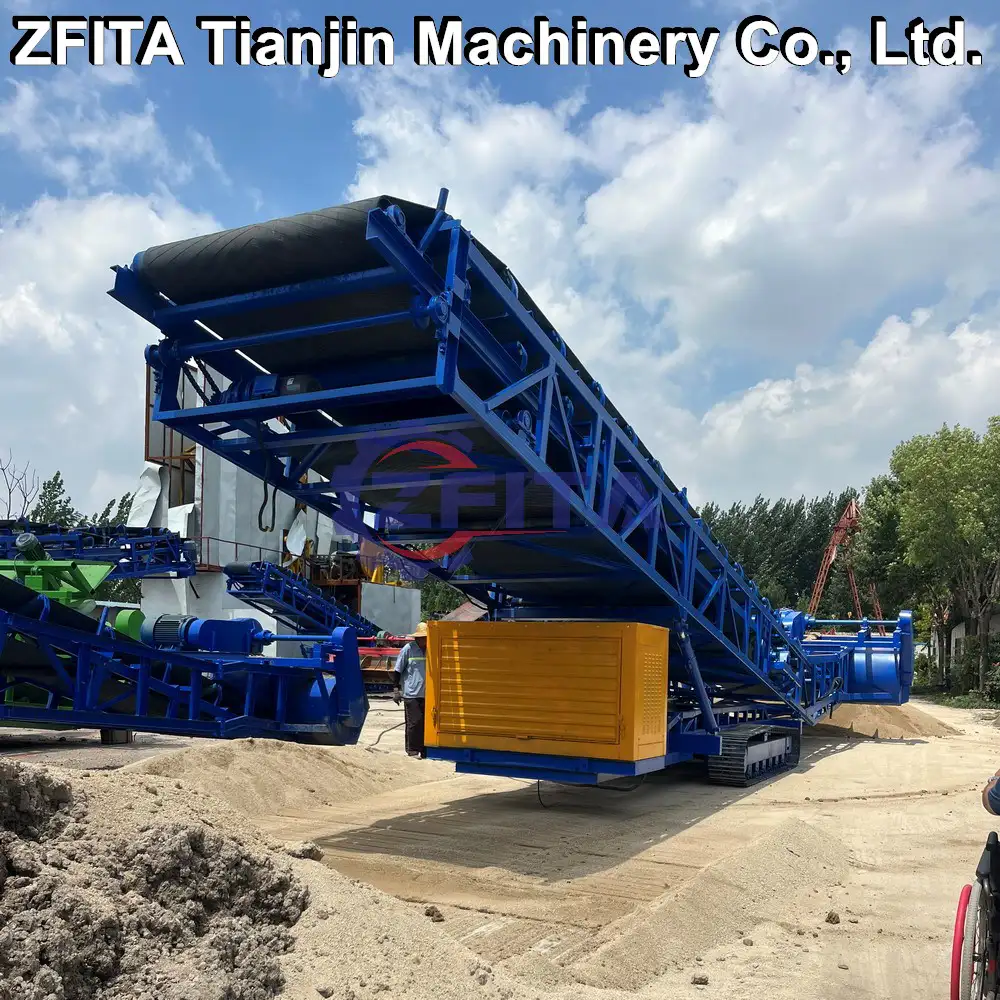
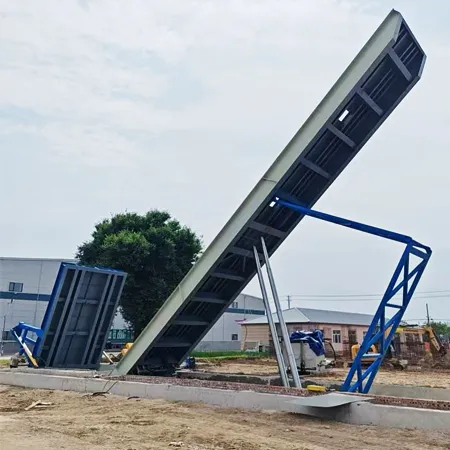
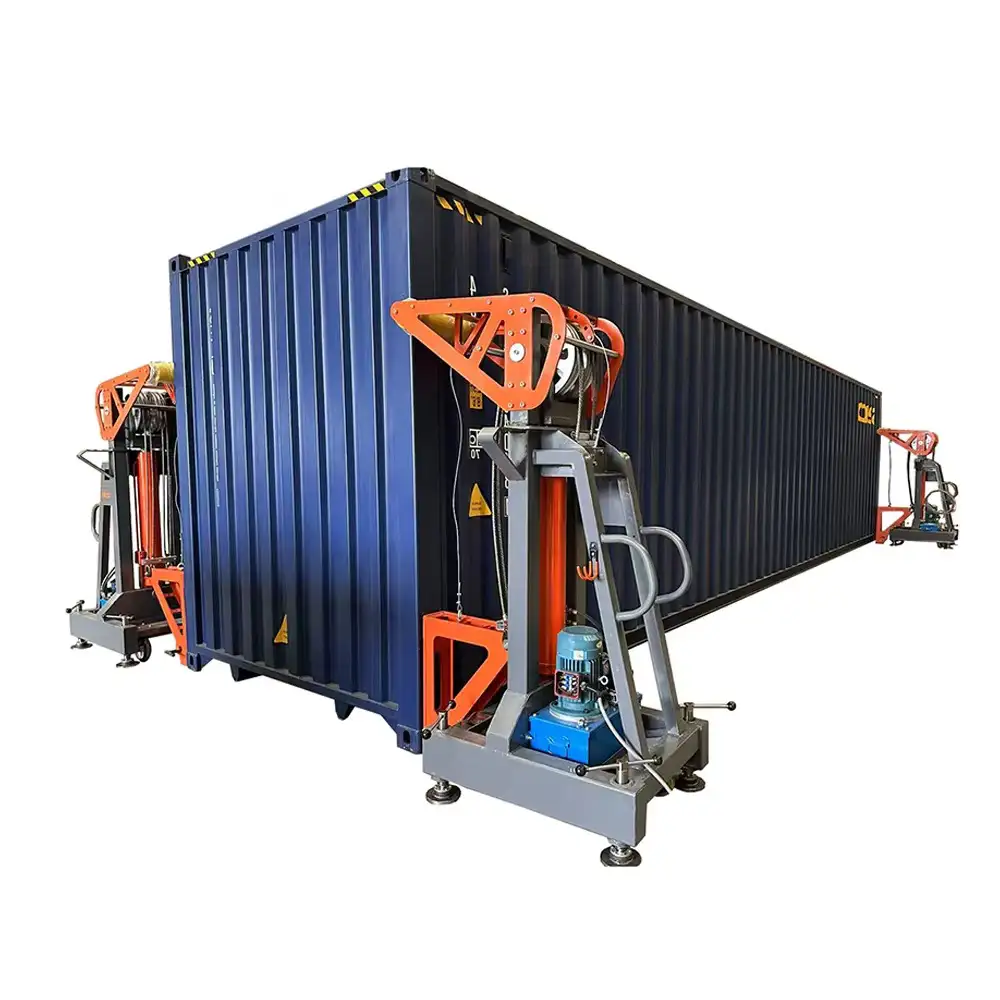
A6: It adopts full hydraulic lifting adjustment, with a wide height adjustment range. It can flexibly adapt to small trucks, large cargo trucks, container loading and stockpile stacking. One machine meets multiple height requirements without auxiliary equipment, realizing one-stop loading and stockpiling operation.
Q7: How durable are the rubber crawler tracks? What is the replacement cycle?
A7: The tracks are made of wear-resistant and tear-proof rubber with embedded steel wire layers, featuring long service life. Under normal working conditions, the track service life can reach 2-3 years. Wearing parts such as tracks, rollers and belts are standardized and universal, with low replacement cost and easy maintenance.
Q8: Does the machine support full remote control operation?
A8: Yes. Wireless remote control is standard configuration, supporting one-key start/stop, forward/backward walking, left/right steering, feeding speed adjustment and hydraulic lifting. One worker can complete all operations, greatly improving construction efficiency and reducing on-site labor demand.
Q9: What routine maintenance is required for long-term operation?
A9: Daily maintenance is simple. Regularly check belt tension, track tightness and hydraulic oil level; clean residual materials on rollers and feeding head; lubricate walking bearings and transmission parts periodically. Strictly following basic maintenance can effectively reduce failure rate and extend the equipment service life.
Q10: Can the machine be customized for special working conditions?
A10: Comprehensive customization is available. We can adjust track width, feeding capacity, belt wear resistance, and add dust cover, rainproof device, anti-explosion motor and high-temperature resistant accessories according to customer’s materials and site environment. Customized machines can perfectly match special working conditions of mines, ports, grain depots and chemical yards.
Q11: How to solve common problems such as belt deviation and slipping?
A11: Belt deviation is mainly caused by uneven tension or foreign matter on rollers, which can be fixed by adjusting the tensioning device and cleaning rollers. Belt slipping is usually due to overload or insufficient friction; reduce feeding volume appropriately and check the driving pulley condition to restore normal operation quickly.