Industry Challenges Limited Container Space Utilization Traditional horizontal loading methods
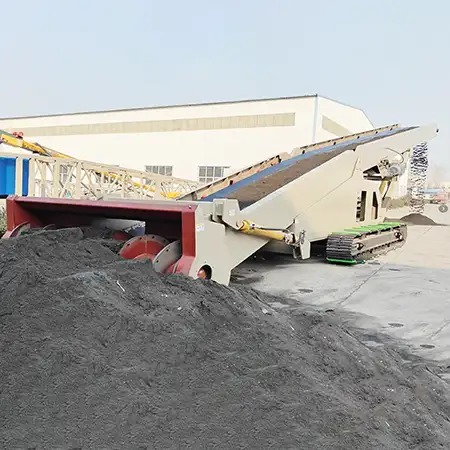
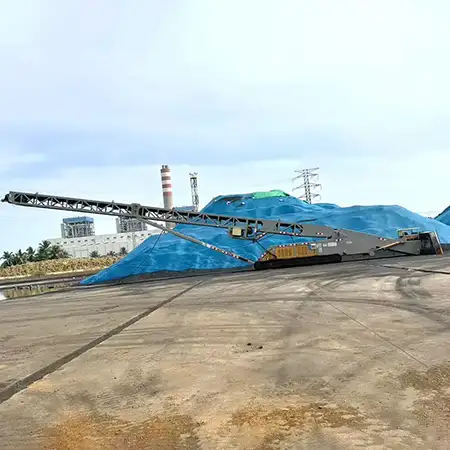
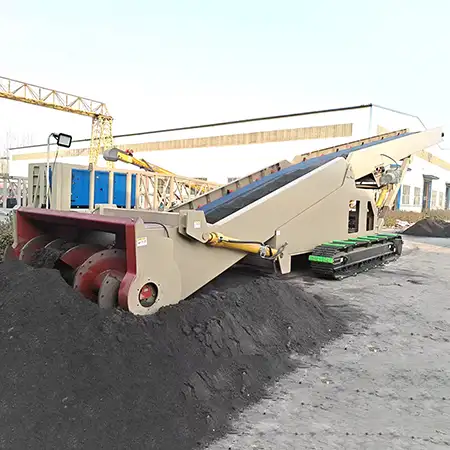
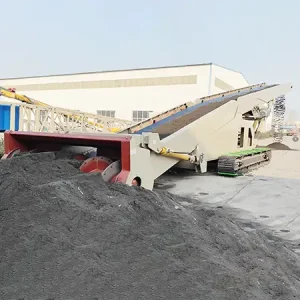
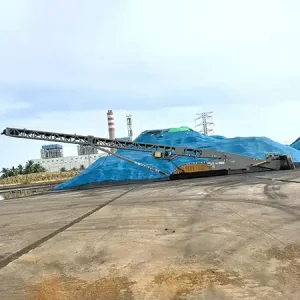
This mobile bulk material self-feeding conveyor adopts a crawler traveling chassis integrated with screw reclaiming, hydraulic lifting, belt conveying, PLC frequency conversion control and other functions. Featuring high reclaiming efficiency, flexible movement, convenient operation and high automation, the equipment is manufactured with Q355 steel, NM500 wear-resistant steel and other wear-resistant structural materials. Key components adopt well-known domestic and foreign brands to ensure reliable performance and long service life.
The equipment consists of six core modules: screw reclaiming mechanism, belt conveying mechanism, traveling bearing mechanism, hydraulic system, control system and safety protection system. Modular design facilitates installation, maintenance and overhaul, making it applicable to bulk material handling in stockyards, docks, factories and other working sites.
| Parameter Name | Technical Index | Parameter Name | Technical Index |
| Rated Reclaiming Capacity | 600t/h | Total Installed Power | 110kW |
| Belt Width | 1200mm | Diameter of Screw Reclaiming Head | 800mm |
| Length of Screw Reclaiming Head | 2600mm | Bearing Capacity of Traveling Chassis | 30t |
| Max Operation Inclination Angle | ≤17.53° | Control Mode | PLC Frequency Conversion Control + Wireless Remote Control |
| Hydraulic System Power | 30kW | Travel Mode | Crawler Traveling |
The equipment contains 22 core components divided into six functional modules. All components comply with the specifications, quantities and brands specified in the equipment list.
As the core material intake assembly, the screw reclaiming mechanism grabs materials from stockpiles and conveys them to the belt conveyor. It is composed of screw reclaiming head, screw drive motor reducer unit, screw lifting cylinders and screw boom.
This mechanism transports materials delivered by the screw head to designated discharge points, consisting of conveyor lifting cylinders, conveyor drive motor reducer unit, conveyor belt, roller sets, drum sets, conveyor frame and primary belt cleaner.
The traveling bearing system serves as the moving and supporting foundation of the whole machine, including 30t crawler chassis and main frame, ensuring flexible mobility and stable load-bearing.
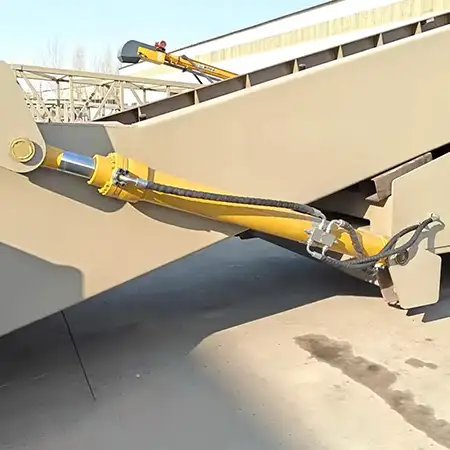
Hydraulic System (XS-L10-017): Rated power 30kW, 1 set. It supplies power to all lifting cylinders (screw lifting & conveyor lifting), controlling cylinder extension and retraction to adjust reclaiming head and conveyor height. The system features stable pressure, adjustable flow and modular layout for easy maintenance and troubleshooting.
Regarded as the “brain” of the machine, the control system includes PLC frequency conversion cabinet and wireless remote controller, adopting Schneider + Siemens core components to realize automatic and remote high-precision operation.
The safety protection system eliminates potential operation risks, composed of sound-light alarm and safety components (emergency stop, belt deviation switches, sensors).
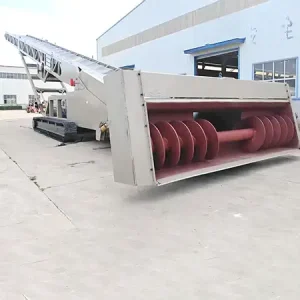
The self-feeding conveyor combines screw conveying and belt conveying technologies. Through coordinated control of hydraulic and electrical systems, continuous material intake and transportation can be realized. The complete workflow is as follows:
Q1: What is a crawler type self‑feeding mobile conveyor?
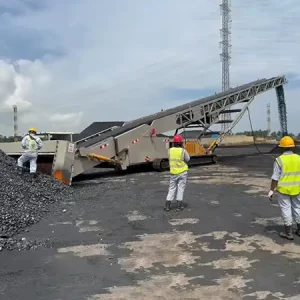
A1: It is a self‑propelled bulk material handling machine with crawler chassis and integrated self‑feeding structure. It can reclaim stockpiled bulk materials and convey them directly to trucks, containers or stock yards, no extra loader required. Suitable for outdoor yards, ports, mines and grain terminals.
Q2: What bulk materials can this conveyor process?
A2: Works for coal, ore, sand & gravel, grain, fertilizer, salt and other loose bulk materials. Not fit for sticky wet clay, oversized boulders or sharp materials that may damage feeding heads and belts.
Q3: What terrain can the crawler chassis adapt to?
A3: Crawler tracks perform well on gravel, muddy, uneven and unpaved ground. Max climbing slope around 12‑15°, no fixed foundation needed for site deployment.
Q4: What power options are available?
A4: Dual‑power optional: electric motor drive for fixed‑yard low‑cost operation; diesel‑hydraulic drive for remote sites without grid power. Wireless remote control is standard for walking, feeding and height adjustment.
Q5: What is the normal handling capacity range?
A5: Standard models cover 200‑3000 TPH. Actual throughput depends on belt width, material density and particle size. Custom capacity is available upon request.
Q6: Can discharge height be adjusted?
A6: Yes. Hydraulic lifting system allows adjustable discharge height, matching different truck heights, container loading and stock‑piling requirements.
Q7: What are its advantages versus stationary conveyors plus wheel loaders?
A7: Eliminates frequent loader operation, cuts fuel and labor cost. Self‑feeding design streamlines workflow. Crawler mobility enables fast relocation between stockpiles, compact layout saves site space.
Q8: Do you support custom configurations?
A8: Yes. Customize belt width, handling capacity, crawler type, feeding width, discharge height. Optional extras: wear‑resistant belt, dust cover, rain‑proof cabinet and anti‑abrasion feeding head.
Q9: What safety devices come as standard?
A9: Equipped with emergency stop, overload protection, belt‑deviation protection, moving‑part safety guards and remote‑control emergency stop function.
Q10: What about warranty and overseas after‑sales support?
A10: 1‑year whole‑machine warranty for non‑human‑caused damage. We provide operation training, remote video diagnosis and spare‑parts supply for global customers.

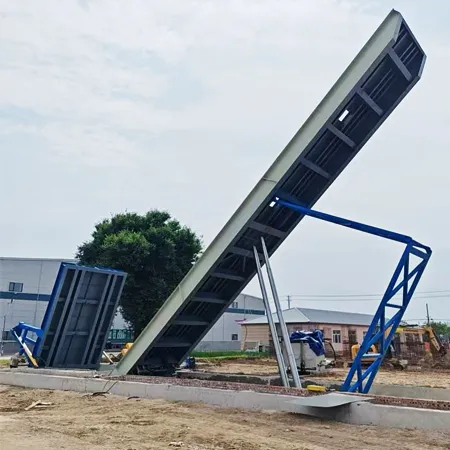
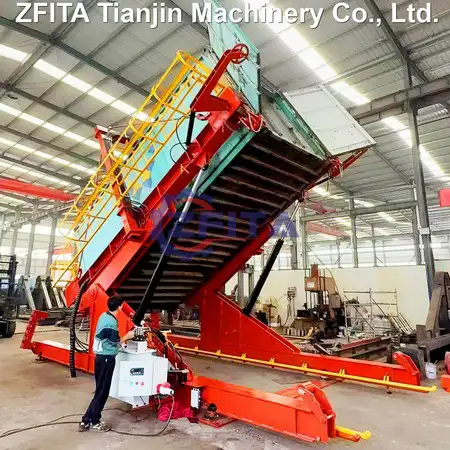
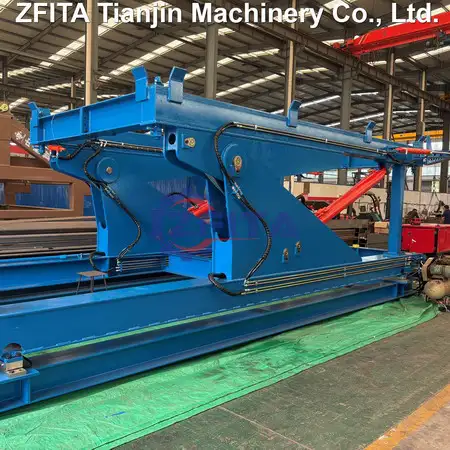
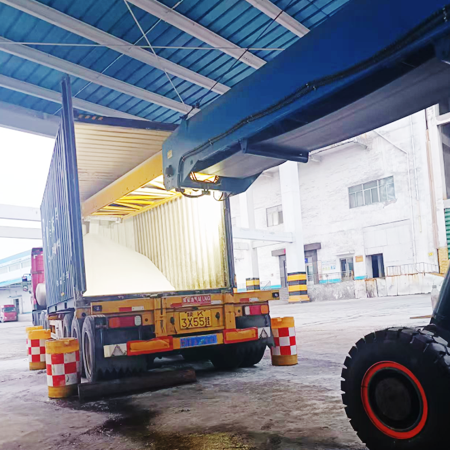
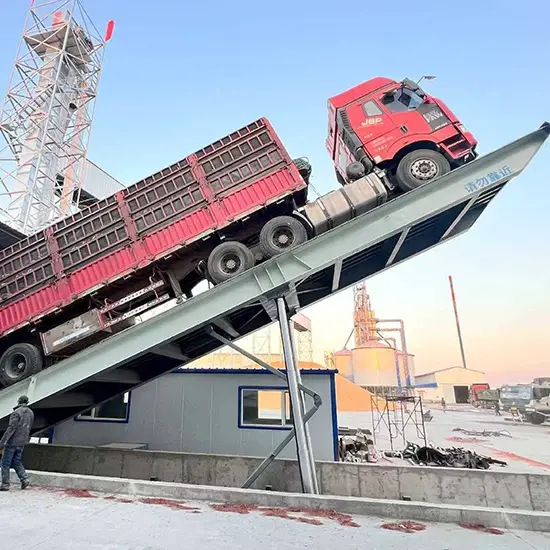
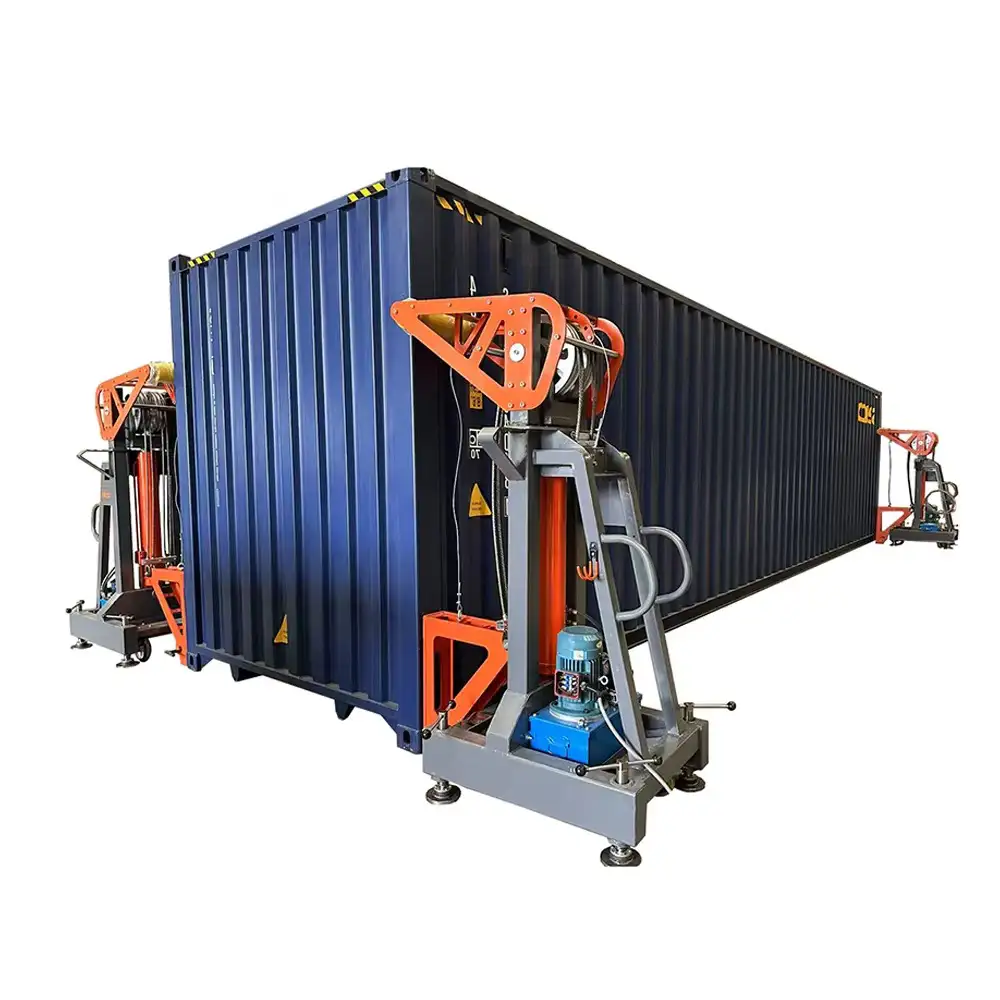
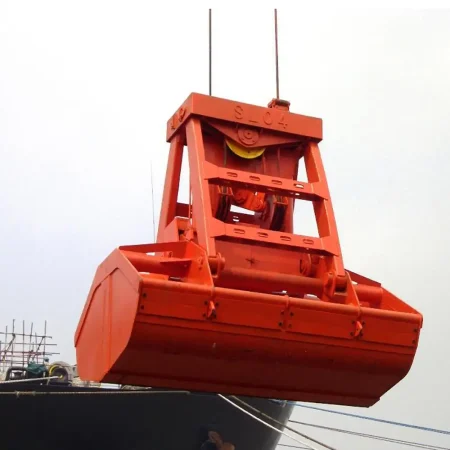
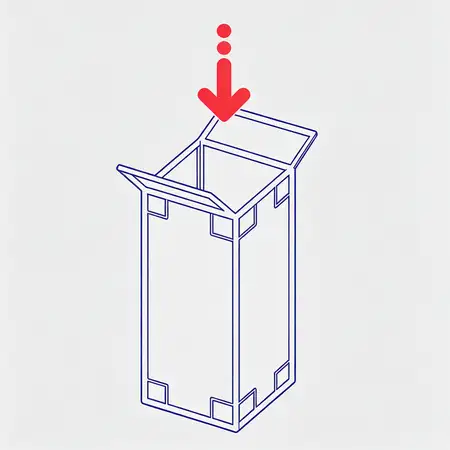
Industry Challenges Limited Container Space Utilization Traditional horizontal loading methods
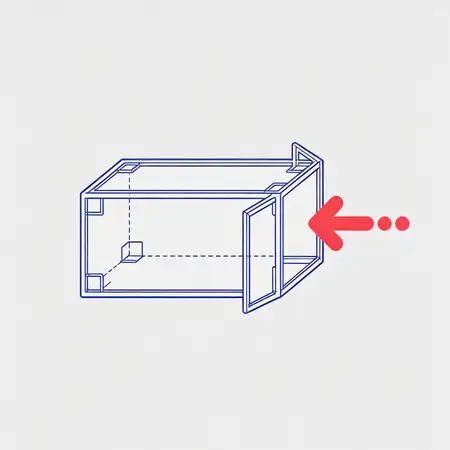
Industry Challenges Inefficient Bulk Loading with Traditional Bagged Methods Many
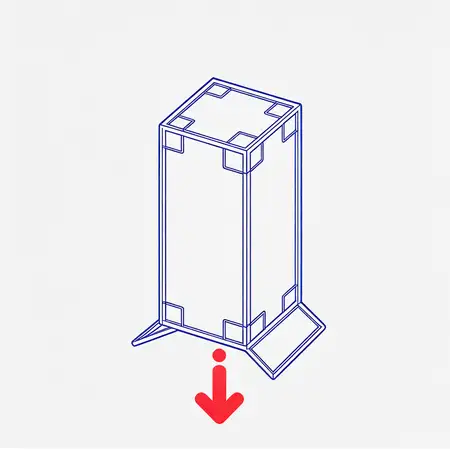
Industry Challenges High Labor Dependency Manual unloading is costly and
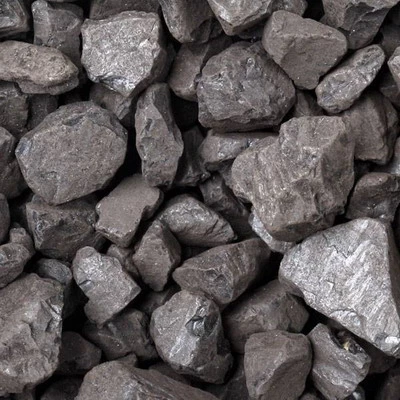
Handling heavy, abrasive, and high-volume minerals in demanding environments.
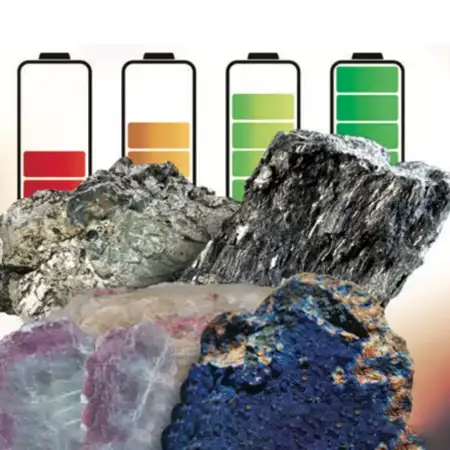
Handling critical minerals for battery production and energy storage applications.

Efficient handling of grains and agricultural commodities across the supply chain.