Industry Challenges Limited Container Space Utilization Traditional horizontal loading methods
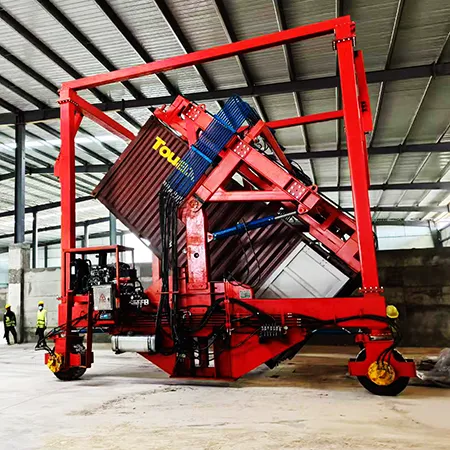
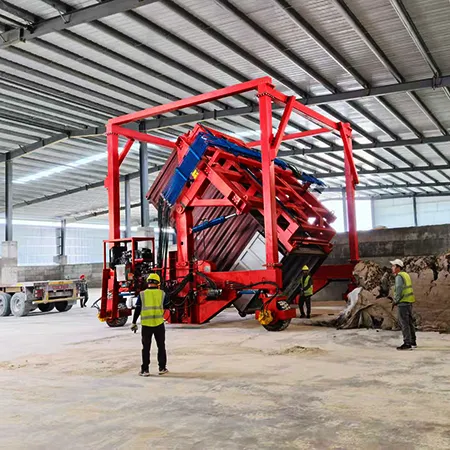
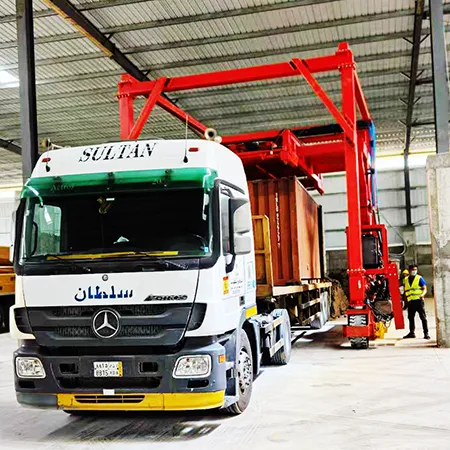
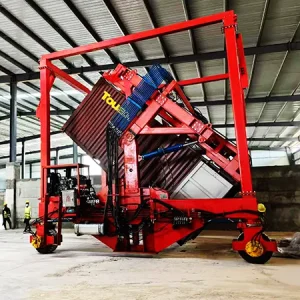
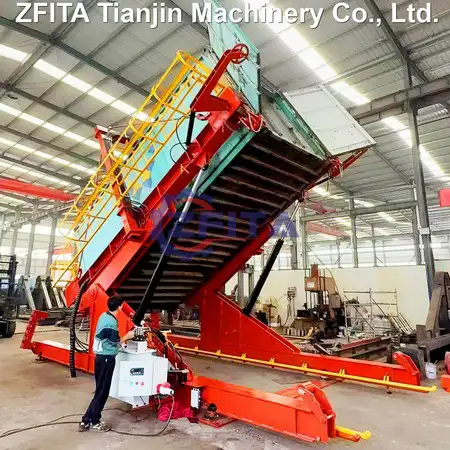
ZCT‑SPTT20 delivers an innovative, self‑propelled mobile solution for bulk‑material container‑handling operations. Blending core functions of a container tilter and a compact straddle carrier, this unique four‑wheel drive unit breaks free from fixed‑foundation installation limits. Purpose‑built for heavy‑duty waste‑recycling and bulk‑material‑handling workflows, it enables on‑site container transportation plus fast, effortless and risk‑free truck‑oriented container tipping, cutting extra equipment investment for yards needing both container movement and bulk‑unloading capacity.
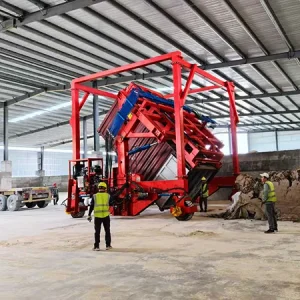
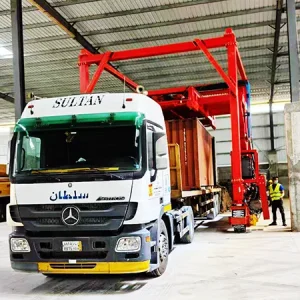
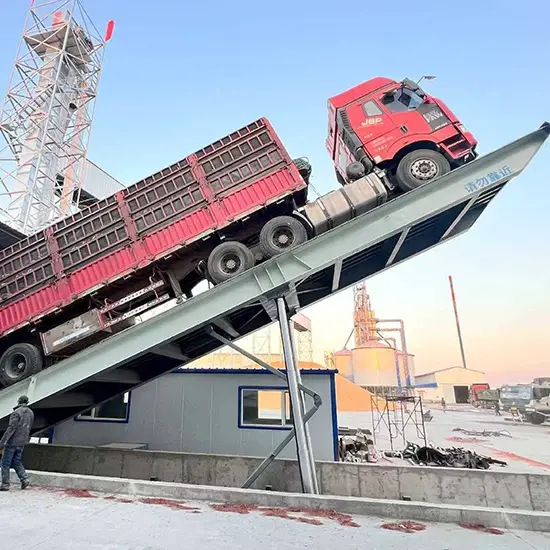
Unlike stationary tilter units, the ZCT‑SPTT20 is equipped with four heavy‑duty drive wheels for free, self‑propelled travel across your yard. It can travel between different unloading zones, reposition itself according to daily production workflows and carry containers short‑distance on‑site. Trucks can back containers straight onto the tilter platform for direct tipping operation. No extra forklift or overhead crane is required to place containers for bulk‑discharge. By combining mobile transit and tilting‑dump functions into one single machine, your site eliminates separate container‑shifting equipment and streamlines the whole bulk‑turnaround workflow, helping you seize profitable opportunities brought by favourable exchange‑rate movements or global commodity‑price fluctuations.
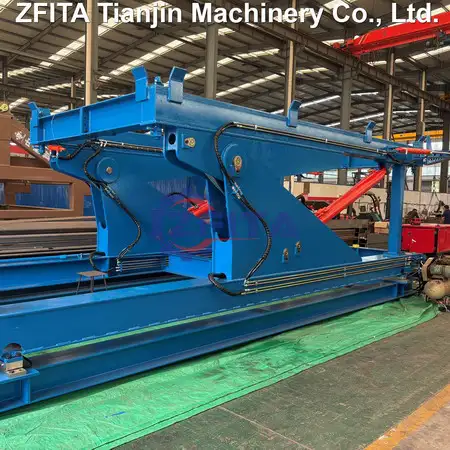
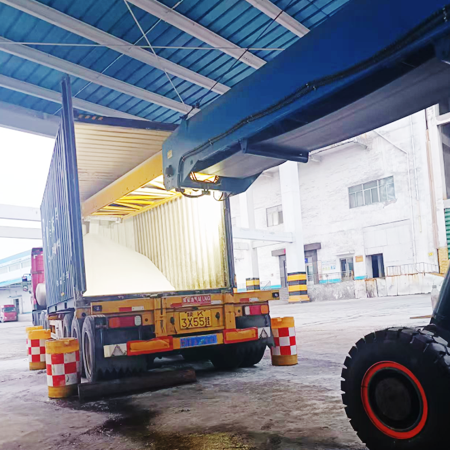
The ZCT‑SPTT20 mobile tilter adopts a space‑saving chassis layout. It requires no permanent concrete‑fixed foundation and occupies minimal yard space during tipping cycles. Its top‑down tilting‑loading grants you complete, 100% access to the inner container’s full‑load volume. Equipped with a fast‑acting hydraulic hatch‑door mechanism, the dedicated actuator enables rapid opening and secure closing of container hatches. Container doors are remotely locked and secured before the container returns to horizontal position for truck haul‑away. Custom‑tailored frame configurations and optional add‑ons are available for diverse industries and bulk‑material types. Our team will recommend you an optimised solution to achieve peak operational efficiency, lower operational expenses and minimise your long‑term ownership costs.
ZCT‑SPTT20 can be fitted with an optional on‑board weighing add‑on that streams live cargo‑weight data straight to your handheld remote controller. It supports accurate loading right up to the container’s maximum permitted payload. This one‑step load‑and‑weigh workflow removes repeated material re‑handling work, even when you re‑locate between different dumping points across your facility.
Safety for operators and the whole‑site workplace has been built‑in from the initial design stage. Two push‑and‑pull paired hydraulic cylinders work in tandem to deliver stable, fail‑safe tilting cycles. Four heavy‑duty tilt cylinders are fitted with counter‑balance safety check‑valves, enabling safe bulk‑material loading at any tilt angle. A side‑mounted access platform with safety cage, guarded vertical ladder and operator station are fitted to one side. Crews can clear spilled bulk material, inspect load stability and latch hatches safely before lowering the container. Three flexible control modes are available: wireless remote control, local manual levers or control‑cabinet push‑buttons for flexible, time‑saving and safe operation, allowing one single operator to complete self‑propelled travel, container locking, tipping, weighing and material transfer tasks safely from the control cabin.
Harsh industrial environments require robust, heavy‑duty equipment. ZCT‑SPTT20 is engineered and constructed from the ground‑up to withstand heavy‑impact, tough‑site mobile‑working conditions. Its reinforced main frame, built with heavy‑duty manganese‑steel on all primary load‑carrying parts, delivers outstanding structural strength, long‑term stability and extended service life, with exceptional tensile strength and wear resistance. High‑performance abrasion‑resistant steel covers all high‑wear zones, paired with high‑strength container‑locking fixtures. Industrial‑grade, name‑brand hydraulic components paired with high‑volume flow pumps deliver consistent, trouble‑free performance in tough site environments. You can select between electric or diesel power‑pack options to accommodate your worksite power infrastructure, also supplying power for both self‑propelled driving and tilting cycles. Every rotating fitting is fitted with grease nipples; these service‑friendly lubrication points greatly speed‑up maintenance and component swap‑outs. Optimised mechanical design and heavy‑duty build quality greatly reduce routine‑maintenance requirements, helping you achieve excellent long‑term return‑on‑investment. Proven in‑field performance: our mobile self‑propelled container‑tilting‑equipment has reliably operated under demanding, round‑the‑clock industrial working‑conditions for more than 10 years across many sites worldwide.
This heavy‑duty mobile tilter processes potash, phosphate and all fertilizer‑grade bulk stocks, sulphur and other loose chemical commodities, bauxite dust, alumina powder and a wide array of mineral bulk solids. It is optimised to handle extreme payloads within metal‑recycling facilities.
Hydraulic twist‑locks, side guards, top shields, base‑protection frames and heavy‑duty solid drive‑wheel upgrades are configurable on request.
----------------------------------------------------------------------------------------------------------------------------------------------
Q1: Can the ZCT‑SPTT20 unload a standard 20ft container?
A1: Yes. The ZCT‑SPTT20 is built around the 20ft ISO container footprint, so it can tip and empty a full 20ft container directly. A truck backs in and sets the container onto the self‑propelled tilter — no crane, gantry or separate lifting machine is needed to position it for dumping.
Q2: Will it work with a 40ft container?
A2: The ZCT‑SPTT20 is engineered for 20ft containers as its standard configuration. For longer units such as 40ft containers, the typical answer is a matched multi‑unit or larger setup sized to the container. Send us your container mix and we’ll recommend the correct configuration rather than overstating a single‑unit fit.
Q3: What kinds of bulk materials can this self‑propelled container tilter handle?
A3: It is built for demanding bulk loads, including potash, phosphate, fertilizer‑grade bulk goods, sulphur, bulk chemical commodities, alumina powder, bauxite dust, and a range of mineral powders — plus the heavy, abrasive loads common in metal recycling yards. The manganese‑steel main frame and industrial hydraulic system are sized for extreme bulk duty.
Q4: Do I need a crane or forklift to use the ZCT‑SPTT20?
A4: No. For tipping‑and‑dump cycles, a truck can back the container straight onto the tilter and set it down; the machine then locks and tips it on its own. Thanks to its self‑propelled four‑wheel drive system, it can also move containers short‑range around your yard without an extra straddle carrier or forklift.
Q5: How many operators are needed to run it?
A5: Just one. Yard travel, platform raise, the hydraulic hatch open/close, and the container locking are all controlled from the cab via wireless remote, or from the local manual station and the control‑panel buttons. A single person can complete full travel‑and‑tipping cycles safely from the driver’s seat.
Q6: Can the ZCT‑SPTT20 be customized to my site or product?
A6: Yes. Available options include hydraulic twist‑locks, side guards, top shields, base‑protection frames and reinforced heavy‑duty drive wheels. The machine is offered in either electric or diesel drive to power both driving and tilting functions. Operating modes can also be matched to your site’s safety and workflow requirements.
Q7: Can it be installed in an existing facility or yard?
A7: In most cases, yes. Unlike fixed‑base tilters, the self‑propelled ZCT‑SPTT20 requires no permanent foundation installation. Deliver it to your yard, and it is ready to travel and tip containers right away. Tell us your yard layout, internal travel routes and ground‑surface conditions, and we will confirm operating footprint and access requirements.
Q8: How long does it take to fill or empty one container?
A8: Operators typically complete a container in about five minutes per tipping cycle while using the full interior volume. The remote‑controlled automatic locking and the quick hydraulic hatch keep turnaround short and repeatable, shift after shift. Short‑distance container transit time across your yard can be completed separately according to travel distance.
Q9: How does the tilter hold the container steady while it tips?
A9: The container is held by hydraulic twist‑locks that engage with the corner castings (hydraulic locking is optional), keeping it firmly seated while the synchronized dual‑cylinder system raises the platform through the tipping stroke in a paired push‑and‑pull, fail‑safe arrangement. The heavy‑duty wheel‑chassis provides a stable base during the whole tipping process.
Q10: Is the tipping action smooth and safe to operate?
A10: The dual‑cylinder synchronized hydraulic system works as a push‑and‑pull pair, so the platform tips evenly with a fail‑safe design. The side working platform comes with a safety cage and a guarded vertical ladder, and every pivot point carries grease nipples for simple, low‑cost maintenance. Its four‑wheel chassis also delivers stable performance during cross‑yard travel.
Q11: Can the machine weigh the cargo as it loads?
A11: Yes, as an optional fit. A live cargo‑weight system can transmit the load directly to the handheld remote, giving real‑time weight without a separate weighbridge stop in the workflow, even if you move the machine between different unloading stations.
Q12: Electric or diesel — which drive should I choose?
A12: Both are available. The electric version suits closed yards with reliable grid power for low‑emission travel and tipping operations; the diesel version works where mains supply isn’t available, delivering independent off‑grid power for both self‑propelled transit and heavy‑duty tipping cycles. Both sit on an industrial hydraulic system built with branded components and a high‑flow pump.

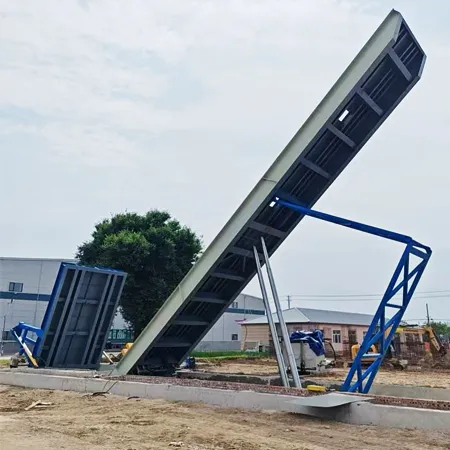
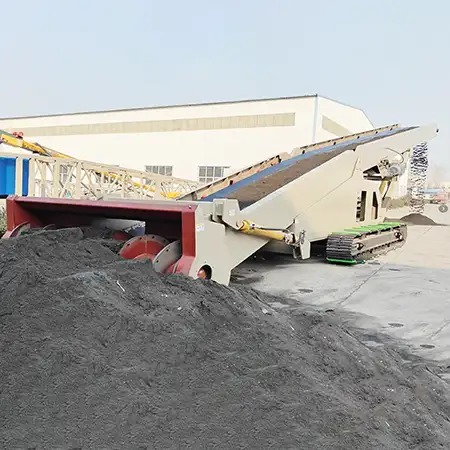
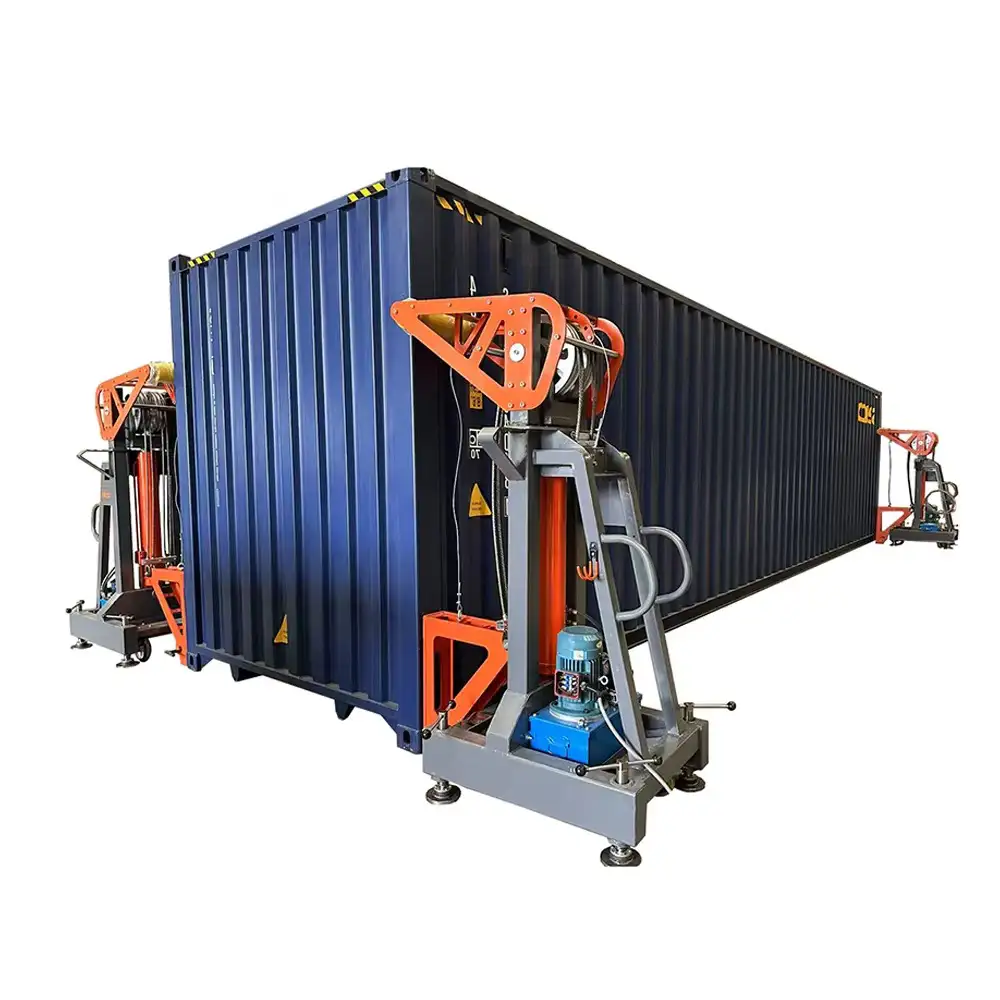
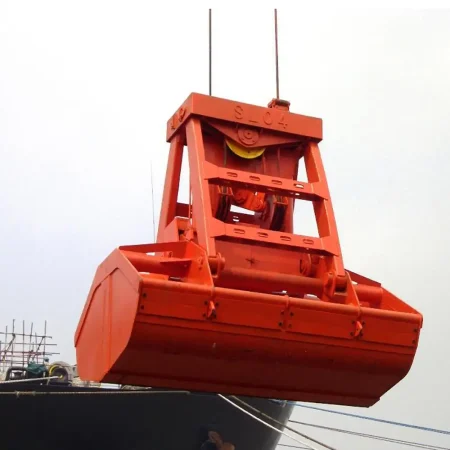
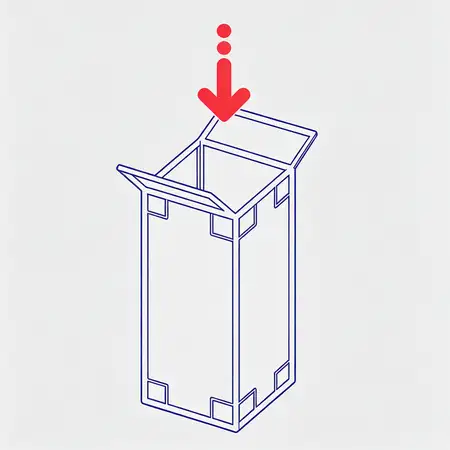
Industry Challenges Limited Container Space Utilization Traditional horizontal loading methods
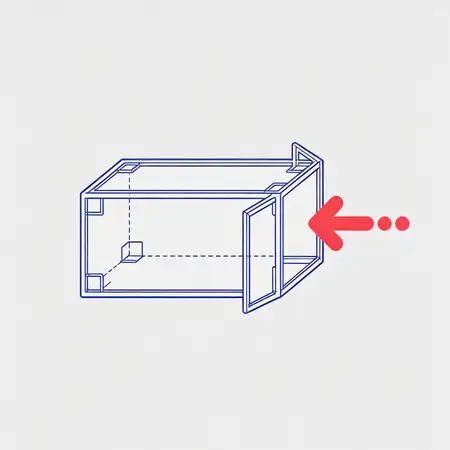
Industry Challenges Inefficient Bulk Loading with Traditional Bagged Methods Many
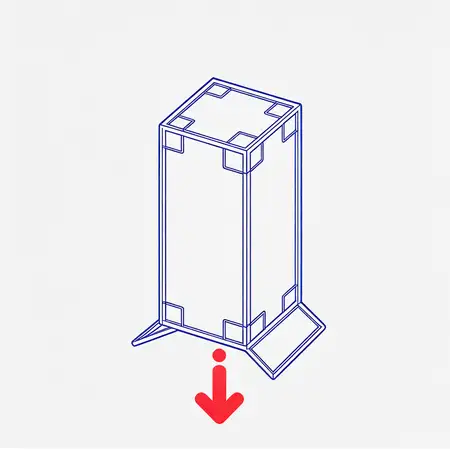
Industry Challenges High Labor Dependency Manual unloading is costly and
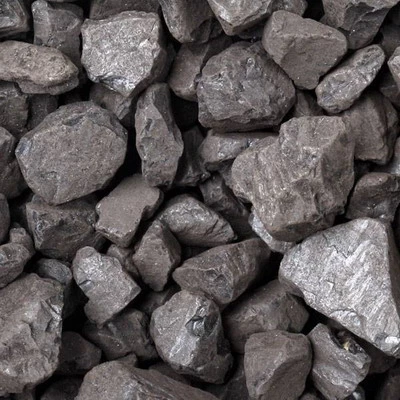
Handling heavy, abrasive, and high-volume minerals in demanding environments.
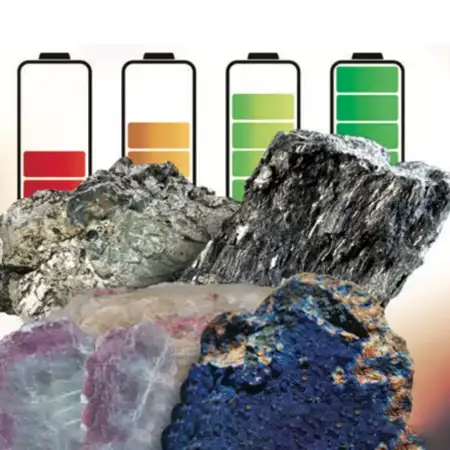
Handling critical minerals for battery production and energy storage applications.

Efficient handling of grains and agricultural commodities across the supply chain.